
Table of Contents
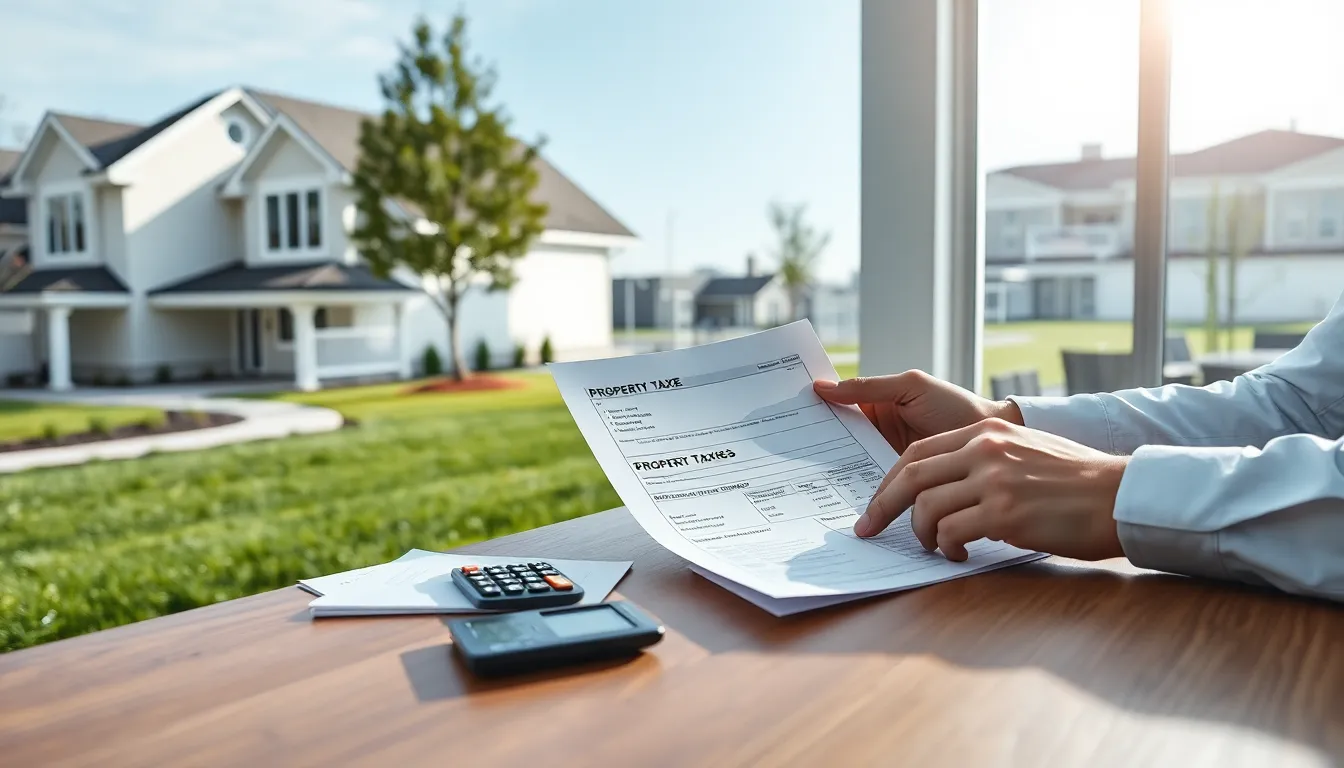
ToggleProperty taxes represent one of the largest recurring expenses for homeowners in the United States. These taxes fund essential local services like public schools, fire departments, road maintenance, and emergency services. Yet many homeowners don’t fully understand how their property tax bill gets calculated, or what they can do to lower it.
The average American household pays approximately $2,690 in property taxes each year, though this figure varies dramatically by location. Some states, like New Jersey and Illinois, have notoriously high property tax rates. Others, like Hawaii and Alabama, keep rates relatively low.
Understanding how property taxes work gives homeowners more control over their finances. It also helps them spot errors, claim exemptions they qualify for, and plan their budgets more accurately. This guide breaks down everything homeowners need to know about property taxes, from calculations to appeals to payment strategies.
Key Takeaways
- Property taxes are calculated by multiplying your home’s assessed value by the local tax rate (mill rate), and understanding this formula helps you verify your bill for errors.
- Location has the biggest impact on property taxes—two identical homes in different jurisdictions can have tax bills that differ by thousands of dollars.
- Many homeowners qualify for property tax exemptions like homestead, senior citizen, or veteran exemptions but never claim them because they don’t apply.
- Studies suggest 30-60% of properties are over-assessed, making property tax appeals a worthwhile strategy that can lead to significant savings.
- Use escrow accounts, installment plans, or early payment discounts to manage property tax payments and avoid financial strain.
- Home improvements like adding bedrooms or finishing basements can increase your assessed value and raise your property taxes.
How Property Taxes Are Calculated
Property taxes follow a straightforward formula: assessed value × tax rate = property tax bill. But, each component of this equation involves its own process.
Assessed Value
Local tax assessors determine a property’s assessed value. They consider factors like the home’s size, location, age, condition, and recent sale prices of comparable properties in the area. Most jurisdictions reassess properties every one to five years, though some do it annually.
The assessed value often differs from market value. Many states use an assessment ratio, which means they tax only a percentage of the property’s full value. For example, if a home has a market value of $400,000 and the assessment ratio is 80%, the assessed value becomes $320,000.
Tax Rate (Mill Rate)
The tax rate, sometimes called the mill rate, represents how much tax applies per dollar of assessed value. One mill equals $1 of tax per $1,000 of assessed value. If a property has an assessed value of $320,000 and the mill rate is 25, the property tax bill would be $8,000.
Tax rates vary by jurisdiction because different areas have different funding needs. A homeowner in one county might pay significantly more or less than someone with an identical home in a neighboring county.
Putting It Together
Here’s a practical example: A home with a market value of $350,000 in a jurisdiction with an 85% assessment ratio and a 30-mill tax rate would have:
- Assessed value: $297,500
- Property tax: $8,925 annually
Understanding this calculation helps homeowners verify their bills and identify potential errors.
Factors That Affect Your Property Tax Bill
Several factors influence how much property tax a homeowner pays. Some of these are within a homeowner’s control, while others depend on external circumstances.
Property Location
Location has the biggest impact on property taxes. Different states, counties, cities, and even school districts set their own tax rates. Two identical homes on opposite sides of a county line might have property tax bills that differ by thousands of dollars.
Urban areas typically have higher property taxes than rural ones because they require more services and infrastructure. But, some suburbs with excellent school districts also carry premium tax rates.
Home Improvements
Renovations and additions can increase a property’s assessed value. Adding a bedroom, finishing a basement, or building a pool will likely raise property taxes. Cosmetic updates like painting or new flooring generally don’t trigger reassessments.
Some jurisdictions offer temporary property tax freezes for certain improvements, particularly those related to energy efficiency or historic preservation.
Market Conditions
Rising home values in an area often lead to higher property tax assessments. During the housing boom of 2020-2022, many homeowners saw their property taxes increase significantly even without any changes to their homes.
Conversely, property values, and hence property taxes, can decrease during market downturns. Homeowners in declining markets may want to request reassessments.
Local Government Decisions
School bond measures, infrastructure projects, and changes in local government budgets directly affect property tax rates. Voters approve many of these measures through local elections, making civic participation important for homeowners concerned about their tax burden.
Common Property Tax Exemptions and Deductions
Many homeowners qualify for property tax relief but don’t claim it. Exemptions reduce the taxable value of a property, while deductions lower taxable income on federal returns.
Homestead Exemption
The homestead exemption reduces property taxes for owner-occupied primary residences. This exemption varies widely by state. Texas offers one of the most generous programs, exempting $100,000 of a home’s value from school district taxes. Other states provide flat-dollar exemptions or percentage reductions.
Homeowners must apply for this exemption, it doesn’t happen automatically. The application typically requires proof of residency and ownership.
Senior Citizen Exemptions
Most states offer additional property tax breaks for seniors, usually starting at age 65. These can include:
- Higher homestead exemption amounts
- Property tax freezes that lock in the current assessment
- Income-based property tax deferrals
- Circuit breaker programs that cap property taxes as a percentage of income
Disability and Veteran Exemptions
Veterans with service-connected disabilities often qualify for significant property tax reductions. Some states exempt 100% of property taxes for severely disabled veterans. Non-veteran homeowners with disabilities may also qualify for exemptions, though these tend to be smaller.
Federal Deductions
Homeowners can deduct property taxes on their federal income tax returns if they itemize deductions. The Tax Cuts and Jobs Act of 2017 capped this deduction at $10,000 for state and local taxes combined (including property taxes). This cap remains in effect through 2025.
How to Appeal Your Property Tax Assessment
Property tax assessments contain errors more often than most homeowners realize. Studies suggest that 30-60% of properties are over-assessed. Filing an appeal can result in meaningful savings.
Check Your Assessment First
Before filing an appeal, review the assessment notice carefully. Look for factual errors like incorrect square footage, wrong number of bedrooms, or features your home doesn’t have (like a pool or finished basement). These simple mistakes are often the easiest to correct.
Gather Evidence
A successful appeal requires evidence that the assessed value exceeds the property’s actual market value. Useful evidence includes:
- Recent sale prices of comparable homes in the area
- A professional appraisal (costs $300-$500 but can pay off significantly)
- Photos documenting issues that affect value, like foundation problems or an outdated kitchen
- Records showing the property sold recently for less than the assessed value
File on Time
Deadlines for property tax appeals are strict and vary by jurisdiction. Missing the deadline by even one day typically means waiting another year. Most areas allow 30-90 days from the date of the assessment notice to file an appeal.
The Appeal Process
Most appeals start with an informal review where homeowners meet with the assessor’s office. Many disputes get resolved at this stage. If not, homeowners can proceed to a formal hearing before a review board.
Homeowners can represent themselves or hire a property tax attorney or consultant. Professional help makes sense for high-value properties or complex cases.
Tips for Managing Property Tax Payments
Property taxes can strain household budgets, especially when they arrive as one or two large annual bills. Several strategies can make these payments more manageable.
Escrow Accounts
Most mortgage lenders require or offer escrow accounts. Each monthly mortgage payment includes a portion for property taxes, which the lender holds and pays when due. This approach spreads the cost over 12 months and prevents missed payments.
Homeowners without mortgages or escrow accounts can set up their own savings system. Dividing the annual property tax bill by 12 and setting that amount aside monthly prevents last-minute scrambles.
Installment Plans
Many jurisdictions allow property tax payments in installments, typically quarterly or semi-annually. This option provides flexibility without requiring an escrow account. Some areas charge small fees for installment plans, while others offer them free.
Early Payment Discounts
Some counties offer discounts for paying property taxes early. Florida, for example, provides a 4% discount for property taxes paid in November. These discounts can add up to hundreds of dollars in savings.
Assistance Programs
Homeowners facing financial hardship may qualify for property tax assistance. Options include:
- Payment deferrals that delay taxes until the home sells
- Hardship exemptions for those who meet income requirements
- Installment agreements for catching up on delinquent taxes
Contact the local tax assessor’s office or county treasurer to learn about available programs.