
Table of Contents
ToggleYou pull a favorite shirt from the dryer, hold it up, and suddenly it looks like it belongs to a toddler. Anyone who’s done laundry has faced this frustration, clothes that fit perfectly before washing now barely stretch over one shoulder. The culprit is shrinkage, but here’s what most people get wrong: it’s not always the dryer’s fault. Both washers and dryers can cause fabrics to shrink, and understanding which machine does what, and why, helps prevent those costly wardrobe losses. This article breaks down the science behind laundry shrinkage and walks through exactly how to keep clothes fitting the way they should.
Key Takeaways
- Both the washer and dryer can shrink clothes, but the dryer causes more dramatic shrinkage through heat-driven consolidation that contracts fibers by 5-10% in a single cycle.
- Washing in cold water prevents relaxation shrinkage in natural fibers like cotton and linen, while hot water accelerates fiber contraction and makes clothes shrink in the washer.
- Natural fibers like untreated cotton (10-20% shrinkage) and wool (30-50% potential shrinkage) are far more vulnerable than synthetic fabrics like polyester and nylon.
- Air-drying or using low-heat dryer settings dramatically reduces shrinkage risk, and removing clothes while slightly damp prevents over-drying that causes additional fiber contraction.
- For shrunken cotton and linen, soaking garments in lukewarm water with baby shampoo can recover 1-2 inches by relaxing fibers, though wool shrinkage from felting is nearly impossible to reverse.
Understanding How and Why Clothes Shrink
Shrinkage happens when fabric fibers contract, and three main mechanisms cause this: felting, relaxation shrinkage, and consolidation shrinkage.
Felting affects wool and animal fibers. Heat, moisture, and agitation cause the microscopic scales on wool fibers to interlock and tighten. Once felted, the fabric can’t return to its original size, it’s permanent.
Relaxation shrinkage occurs when fabrics that were stretched during manufacturing finally relax back to their natural state once exposed to water. Cotton and linen are especially prone to this. The fibers weren’t damaged: they were just held in tension and released when wet.
Consolidation shrinkage happens when heat causes fibers to contract. This is the most common type in home laundry. High dryer heat forces moisture out of fibers rapidly, causing them to pull together and tighten.
Most garments shrink due to a combination of these factors. A cotton T-shirt might experience relaxation shrinkage in the washer and consolidation shrinkage in the dryer. Understanding which process affects which fabric helps target prevention strategies.
Do Clothes Shrink in the Washer?
Yes, clothes can shrink in the washer, but it depends on water temperature and fabric type. Hot water accelerates relaxation shrinkage in natural fibers like cotton and linen. When these fibers absorb hot water, they swell and then contract as they release tension built up during manufacturing.
The washer’s agitation also contributes to felting in wool garments. The tumbling action combined with warm or hot water causes wool scales to lock together, resulting in a smaller, denser fabric.
Cold water washing minimizes washer-related shrinkage. Cold temperatures don’t activate the same fiber swelling and contraction that hot water does. For most fabrics, washing in cold water (below 60°F) prevents significant shrinkage during the wash cycle.
That said, the washer typically causes less dramatic shrinkage than the dryer. Water alone won’t generate the same level of fiber consolidation that high heat produces. If a garment shrinks noticeably after washing but before drying, it’s usually relaxation shrinkage, the fabric returning to its pre-stretched dimensions. This type of shrinkage is often minimal, usually around 2-3% of the garment’s original size for pre-shrunk fabrics.
Do Clothes Shrink in the Dryer?
The dryer is the more aggressive shrinkage culprit. High heat causes consolidation shrinkage by forcing moisture out of fibers rapidly, making them contract and tighten. This is why a shirt that survived the wash cycle emerges from the dryer two sizes smaller.
Heat settings make all the difference. A dryer running on high heat can reach temperatures between 135°F and 150°F. At those temperatures, natural fibers like cotton shrink significantly, sometimes up to 5-10% in a single cycle. Synthetic blends are more heat-resistant but can still shrink if exposed to high temperatures repeatedly.
Over-drying also contributes. Even on medium heat, leaving clothes in the dryer past the point of dryness continues to pull moisture from fibers, causing additional contraction. The longer the exposure to heat, the more shrinkage occurs.
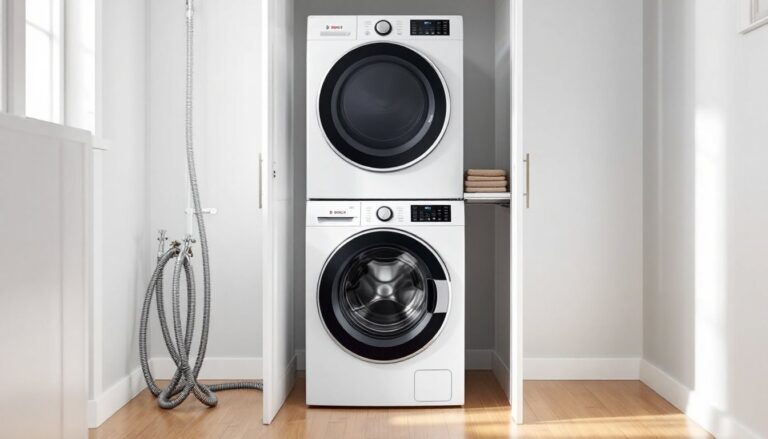
So, does the washer or dryer shrink clothes more? The dryer wins. Heat-driven consolidation shrinkage is more severe and harder to reverse than water-based relaxation shrinkage. Many small space laundry setups prioritize air-drying for this exact reason, it eliminates the dryer’s heat exposure entirely.
If a garment must go in the dryer, using the lowest heat setting or a no-heat air-dry cycle dramatically reduces shrinkage risk.
Which Fabrics Are Most Prone to Shrinking?
Not all fabrics shrink equally. Natural fibers are the most vulnerable, while synthetics hold their shape better.
Cotton is highly prone to shrinkage. Untreated cotton can shrink up to 10-20% after the first wash and dry cycle. Pre-shrunk cotton reduces this risk but can still contract 3-5% with repeated high-heat drying.
Wool shrinks dramatically due to felting. Heat, moisture, and agitation cause irreversible fiber interlocking. A wool sweater that goes through a hot wash and dry cycle can shrink 30-50% in some cases.
Linen behaves similarly to cotton. It experiences relaxation shrinkage when exposed to water, especially hot water. Linen garments often shrink 4-6% after the first wash.
Rayon is a semi-synthetic fiber made from cellulose. It’s highly unstable when wet and can shrink, stretch, or distort easily. Rayon should always be hand-washed or dry-cleaned.
Polyester, nylon, and acrylic are synthetic fibers that resist shrinkage well. They’re engineered to hold their shape under heat and moisture. But, blends containing natural fibers (like a cotton-polyester blend) can still shrink, though less than 100% natural fabrics.
Silk can shrink if exposed to heat or harsh agitation. It requires gentle, cold-water washing and air-drying. Many home improvement projects involving textiles account for fabric behavior when selecting materials for upholstery or curtains.
How to Prevent Clothes from Shrinking During Laundry
Preventing shrinkage starts with reading care labels and adjusting laundry habits accordingly.
Wash in cold water. Cold water prevents relaxation and consolidation shrinkage in most fabrics. Modern detergents work effectively in cold water, so there’s no need to default to hot unless dealing with heavy stains or sanitizing needs.
Use gentle wash cycles. High agitation accelerates felting in wool and can stress fibers in other fabrics. Delicate or permanent-press cycles reduce mechanical stress.
Air-dry whenever possible. Skipping the dryer eliminates the primary cause of shrinkage. Hang or lay garments flat to dry. For cotton and linen, this also prevents wrinkles that form during high-heat drying.
If using the dryer, choose low or no heat. A tumble-dry low setting keeps temperatures under 125°F, which minimizes consolidation shrinkage. An air-dry or air-fluff cycle uses no heat at all and relies on room-temperature air circulation.
Remove clothes while slightly damp. Over-drying is a common mistake. Pull items from the dryer when they’re just barely damp to the touch, then hang or lay flat to finish drying. This reduces total heat exposure.
Pre-wash new garments. Some shrinkage is inevitable with untreated natural fibers. Washing new items before wearing them allows initial shrinkage to happen before the garment is tailored or fitted.
Avoid fabric softeners on certain fabrics. While softeners don’t cause shrinkage directly, they can coat fibers and reduce breathability, which may affect how fabrics respond to heat.
What to Do If Your Clothes Have Already Shrunk
Once shrinkage happens, reversing it is difficult but not always impossible. Success depends on the fabric type and how much shrinkage occurred.
For cotton and linen: Fill a basin with lukewarm water and add 1-2 tablespoons of baby shampoo or hair conditioner. Submerge the garment and let it soak for 15-30 minutes. The conditioner relaxes fibers slightly. Gently stretch the fabric back to its original shape while wet, then lay it flat on a towel to air-dry, reshaping as needed. This won’t work miracles, but it can recover 1-2 inches in some cases.
For wool: Felted wool is nearly impossible to unshrink because the fiber scales have locked together. Some people attempt the same conditioner soak method used for cotton, but results are inconsistent. Prevention is far more effective than correction with wool.
For synthetics and blends: Heat-set shrinkage in polyester or nylon is permanent. The fibers were reshaped at a molecular level and won’t relax.
There’s a viral unshrink hack circulating online that claims dramatic results, but laundry experts caution that it works inconsistently and can damage certain fabrics. The conditioner soak method is safer and more reliable for natural fibers.
If a garment has shrunk significantly and can’t be restored, consider repurposing it. A shrunken adult T-shirt might fit a child, or fabric can be cut and used for cleaning rags or small DIY projects.
Conclusion
Both the washer and dryer can shrink clothes, but the dryer’s heat causes the most damage. Understanding how different fabrics react to water temperature, agitation, and heat helps prevent wardrobe disasters. Cold water, low heat, and air-drying are the most reliable defenses against shrinkage. When in doubt, check the care label and err on the side of caution, it’s easier to prevent shrinkage than to fix it after the fact.