
Table of Contents
ToggleLearning how to home organization works can transform a chaotic living space into a calm, functional environment. Cluttered rooms drain energy and make daily tasks harder than they need to be. The good news? Anyone can build an organized home with the right approach.
This guide breaks down home organization into clear, actionable steps. Readers will learn how to assess their space, declutter effectively, create smart storage systems, and build habits that keep everything in order. Whether someone is tackling a single messy closet or an entire house, these strategies deliver real results.
Key Takeaways
- Start your home organization journey by assessing each room and setting specific, measurable goals tailored to your household’s needs.
- Use the four-box method (Keep, Donate, Trash, Relocate) to declutter efficiently and avoid decision fatigue.
- Maximize vertical space with floating shelves, door-mounted organizers, and wall hooks to keep items accessible without sacrificing floor space.
- Group items by use and create zones so everything needed for a specific activity stays together, saving time and reducing frustration.
- Label all bins, baskets, and shelves to help everyone in the household maintain your home organization system effortlessly.
- Build daily habits like a 10-minute evening reset and the “one in, one out” rule to prevent clutter from returning.
Assess Your Space and Set Clear Goals
Every successful home organization project starts with honest assessment. Before buying bins or tossing items, people need to understand what they’re working with.
Walk Through Each Room
Grab a notebook and walk through the entire home. Note problem areas, the junk drawer that won’t close, the closet stuffed with clothes no one wears, the garage where nobody can find anything. Write down what bothers you most about each space.
This exercise reveals patterns. Maybe paper clutter appears in every room. Perhaps kids’ toys have taken over shared spaces. Identifying these trends helps prioritize which areas need attention first.
Define What “Organized” Means for Your Household
Home organization looks different for everyone. A family with three kids has different needs than a single professional. Someone who works from home requires a functional office setup. A cooking enthusiast needs easy access to kitchen tools.
Set specific goals for each space. Instead of “organize the kitchen,” try “create a system where meal prep takes 10 minutes less.” Concrete goals make progress measurable.
Create a Realistic Timeline
Don’t expect to organize an entire house in one weekend. That leads to burnout and unfinished projects. Break the work into manageable chunks. Maybe tackle one room per week, or spend 30 minutes daily on home organization tasks.
A realistic timeline keeps motivation high. Small wins build momentum for bigger projects.
Declutter Room by Room
Decluttering is the foundation of home organization. Storage solutions can’t fix a home that simply has too much stuff.
The Four-Box Method
This classic technique works in any space. Set up four boxes or bags labeled: Keep, Donate, Trash, and Relocate. Pick up each item and place it in one of these categories. No maybes allowed.
The “Relocate” box catches items that belong elsewhere in the house. That screwdriver in the bathroom goes back to the garage. The book in the kitchen returns to the bookshelf.
Ask the Right Questions
Some items are easy to sort. Others require honest self-reflection. These questions help:
- Have I used this in the past year?
- Does this item serve a clear purpose?
- Would I buy this again today?
- Do I have duplicates that serve the same function?
Sentimentality makes decluttering hard. But holding onto broken gifts or clothes that don’t fit anymore serves no practical purpose. Take photos of meaningful items if that helps let go.
Tackle One Room Completely
Scattered efforts lead to scattered results. Finish one room before moving to the next. This approach shows immediate progress and prevents the overwhelm of half-done projects throughout the house.
Start with a high-impact area. The entryway, kitchen, or primary bathroom are spaces people use daily. Organizing these first creates visible improvements that motivate continued effort.
Handle Paper Clutter
Paper accumulates fast. Mail, receipts, kids’ artwork, and random documents pile up on counters and tables. Create a simple system: immediately recycle junk mail, file important documents, and digitize what you can.
Many people keep papers “just in case.” In reality, most household papers can be discarded or stored digitally. Bank statements, utility bills, and receipts are often available online.
Create Functional Storage Solutions
Once clutter is gone, smart storage keeps remaining items accessible and organized. The best home organization systems match how people actually live.
Use Vertical Space
Floor space is limited. Walls and doors offer valuable storage real estate. Install floating shelves, door-mounted organizers, and wall hooks. These solutions keep items visible and within reach without eating up square footage.
In closets, double hang rods instantly double hanging space for shorter items like shirts and jackets. Shelf dividers prevent folded clothes from toppling over.
Group Items by Use
Store things where they’re used. Coffee supplies live near the coffee maker. Cleaning products stay under the bathroom sink. Kids’ craft supplies belong in the room where art projects happen.
This “zones” approach eliminates wasted trips around the house. Everything needed for a specific activity stays together.
Label Everything
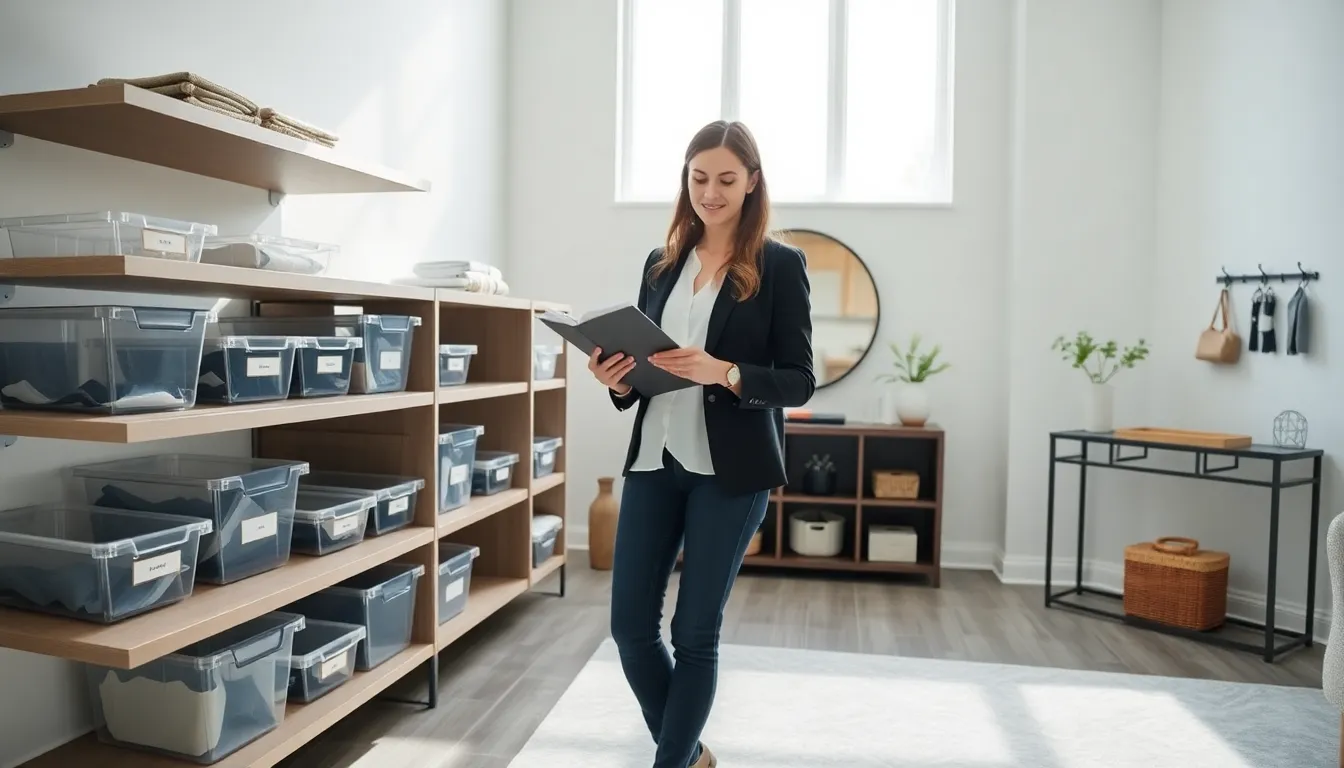
Labels seem unnecessary until someone else puts things away wrong, or you forget your own system three months later. Clear labels on bins, baskets, and shelves remove guesswork. Family members can maintain home organization without asking where things go.
A label maker works great, but masking tape and a marker do the job too.
Choose the Right Containers
Clear bins let people see contents at a glance. Uniform containers look neat and stack efficiently. Measure spaces before buying anything, ill-fitting containers waste money and create frustration.
Baskets add warmth to open shelving. Drawer dividers keep small items from becoming jumbled messes. Lazy Susans make corner cabinets usable.
Establish Daily Habits to Maintain Order
Home organization isn’t a one-time event. It’s an ongoing practice. Small daily habits prevent clutter from returning.
The 10-Minute Reset
Spend 10 minutes each evening returning items to their homes. Put away toys, clear kitchen counters, and hang up jackets. This simple habit prevents small messes from becoming overwhelming chaos.
Many families do a quick reset before bed. Others prefer morning tidying. The timing matters less than consistency.
One In, One Out
For every new item that enters the home, one similar item leaves. Buy a new shirt? Donate an old one. Get a new kitchen gadget? Remove one that’s never used.
This rule maintains equilibrium. Without it, belongings slowly accumulate again even though initial home organization efforts.
Process Mail and Papers Daily
Paper clutter returns fast if ignored. Sort mail the day it arrives. File, recycle, or act on each piece immediately. Keep a small bin for items that need attention, and process it weekly.
Assign Homes for Everything
Every item needs a designated spot. Keys go in a bowl by the door. Remotes stay in a basket on the coffee table. Sunglasses hang on a hook.
When everyone knows where things belong, putting them away becomes automatic. This single concept prevents most household clutter.
Schedule Regular Maintenance
Set calendar reminders for seasonal decluttering. Kids outgrow clothes. Pantry items expire. Interests change. A quarterly review of closets, cabinets, and storage areas catches accumulation before it becomes problematic.