
Table of Contents
ToggleHome organization trends 2026 are shifting toward smarter, greener, and more adaptable living spaces. As people spend more time at home, they want storage systems that work harder and look better. The days of cluttered closets and one-size-fits-all shelving are fading fast.
This year brings a fresh wave of ideas that blend function with personal style. From sustainable materials to AI-powered closets, homeowners have more options than ever. The focus is on creating spaces that adapt to real life, not the other way around. Here’s what’s shaping home organization in 2026.
Key Takeaways
- Home organization trends 2026 prioritize sustainable materials like bamboo, recycled plastic, and reclaimed wood over traditional plastics.
- AI-powered closets and smart pantry systems now track inventory, suggest outfits, and reduce food waste automatically.
- Minimalism is evolving toward curated, colorful displays that reflect personal style rather than stark, empty spaces.
- Flexible, multi-functional furniture like Murphy beds with desks and rolling carts help small spaces adapt to remote work demands.
- Modular storage systems allow homeowners to reconfigure and expand setups without buying entirely new products, saving money and reducing waste.
- Smart labels, voice-activated cabinets, and app-connected systems make maintaining organized spaces easier than ever.
Sustainable and Eco-Friendly Storage Solutions
Sustainability is no longer optional in home organization trends 2026. Consumers now demand products that protect the planet while keeping their spaces tidy.
Bamboo, recycled plastic, and reclaimed wood are leading the charge. These materials offer durability without the environmental guilt. Companies are responding by phasing out virgin plastics and switching to biodegradable packaging.
Modular storage systems made from recycled materials are gaining popularity. They allow homeowners to expand or reconfigure their setups without buying entirely new products. This reduces waste and saves money over time.
Secondhand and vintage storage pieces are also trending. Thrift stores and online marketplaces report increased demand for antique dressers, wooden crates, and retro bins. People want items with character, and a smaller carbon footprint.
Some brands now offer take-back programs. Customers return old organizers for recycling or refurbishment. This circular approach keeps products out of landfills and builds customer loyalty.
The message is clear: eco-friendly storage isn’t a niche anymore. It’s becoming the standard for home organization in 2026.
Smart Technology Meets Home Organization
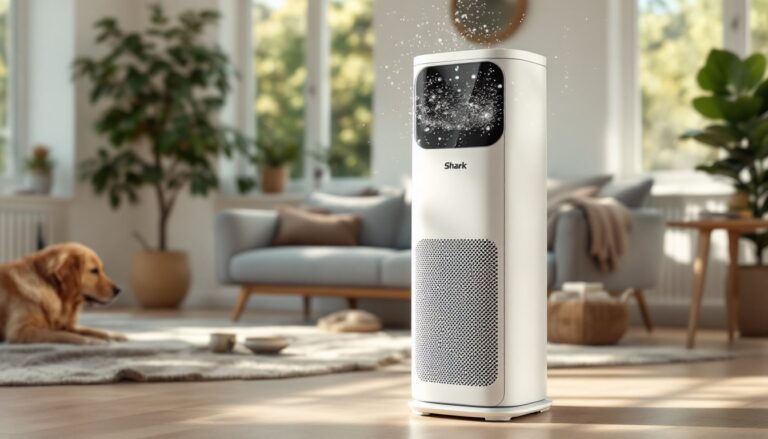
Technology is transforming how people organize their homes in 2026. Smart storage systems now do the thinking so homeowners don’t have to.
AI-powered closet systems can track clothing inventory. They suggest outfits based on weather, calendar events, and personal preferences. Some even alert users when items need cleaning or replacement.
Smart pantry organizers are another breakthrough. These devices monitor food expiration dates and automatically add items to shopping lists. They reduce food waste and make meal planning easier.
Voice-activated storage is becoming more common. Homeowners can open cabinets, adjust shelf heights, or locate items using simple voice commands. This feature is especially helpful for people with mobility challenges.
Apps now sync with home organization systems. Users can view their entire inventory from a smartphone. They know exactly what they own, and where to find it.
Smart labels with QR codes are replacing handwritten tags. A quick scan reveals contents, purchase dates, and storage instructions. This technology works well for seasonal items and long-term storage.
Home organization trends 2026 show that technology makes tidiness more accessible. Smart systems remove friction and help people maintain organized spaces with less effort.
Minimalism With a Personal Touch
Minimalism remains popular, but it’s evolving. Home organization trends 2026 favor a warmer, more personal approach.
Strict minimalism felt cold to many people. The “own nothing” aesthetic didn’t match real life. Now, the focus is on owning fewer things, but loving what you keep.
Curated displays are replacing empty surfaces. Homeowners showcase meaningful objects like travel souvenirs, family heirlooms, and handmade crafts. Organization becomes a form of self-expression.
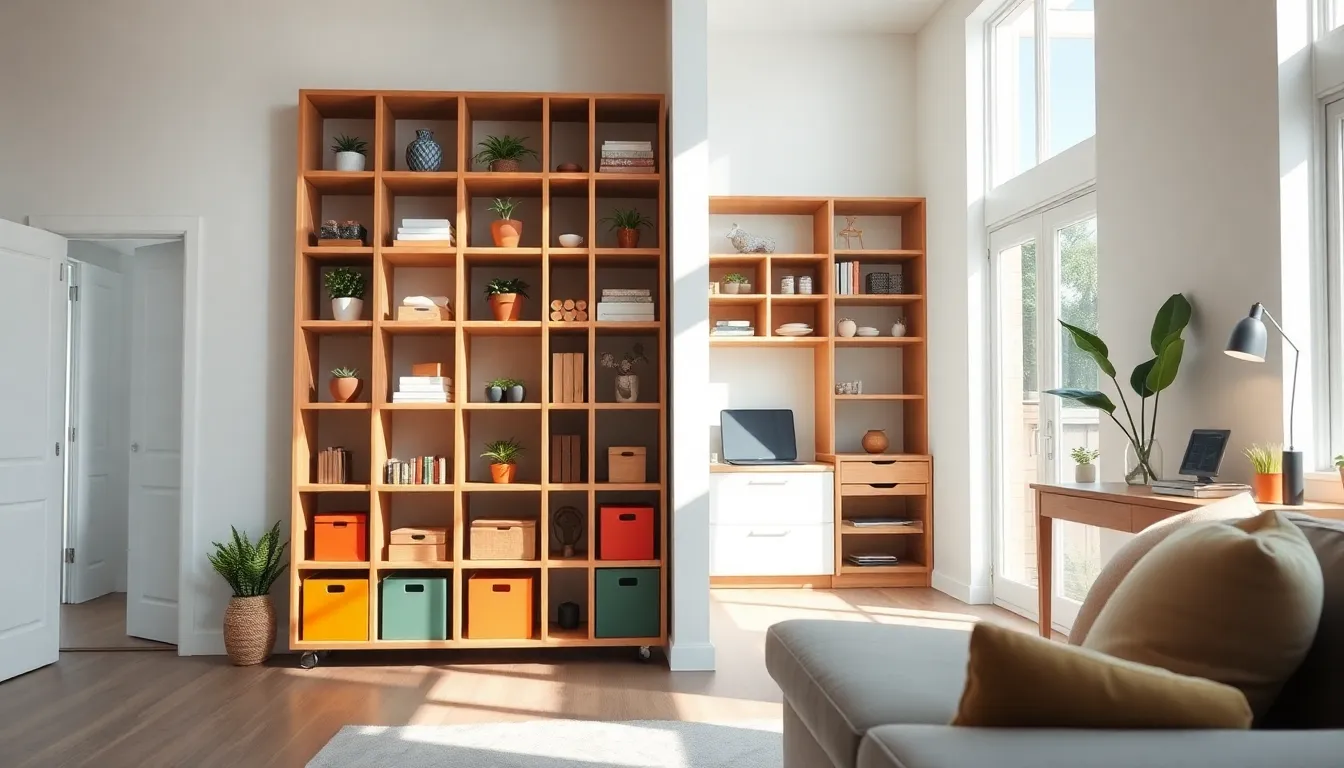
Color is making a comeback. Gone are the all-white storage bins and beige baskets. People are choosing organizers in bold colors that match their decor and personality.
Open shelving allows items to become part of the design. Books, plants, and decorative boxes serve dual purposes. They organize space while adding visual interest.
The “one in, one out” rule still applies. But now it’s less about deprivation and more about intention. People ask what adds value to their lives before bringing anything home.
This shift reflects a broader cultural change. Home organization in 2026 isn’t about perfection. It’s about creating spaces that feel good to live in.
Flexible and Multi-Functional Spaces
Homes are working harder than ever. Home organization trends 2026 emphasize flexibility and adaptability.
Remote work is here to stay. Many homeowners need spaces that function as offices, gyms, and living areas, sometimes all in the same room. Furniture and storage must keep up.
Murphy beds with built-in desks are selling fast. These pieces transform bedrooms into home offices in seconds. When the workday ends, the desk disappears.
Rolling storage carts are everywhere. They move easily between rooms and tuck away when not needed. This mobility makes small spaces feel larger.
Modular furniture systems allow endless configurations. A bookshelf becomes a room divider. A storage ottoman doubles as seating. People buy pieces that serve multiple purposes.
Garage and basement organization is getting smarter too. Ceiling-mounted storage lifts bulky items out of the way. Wall-mounted systems keep tools accessible but off the floor.
Zoning has become a key strategy. Clear boundaries between work, rest, and play areas help people stay focused and relaxed. Good organization makes these zones possible.
Flexible storage solutions let homes adapt to changing needs. This trend will only grow stronger as lifestyles continue to shift.