
Table of Contents
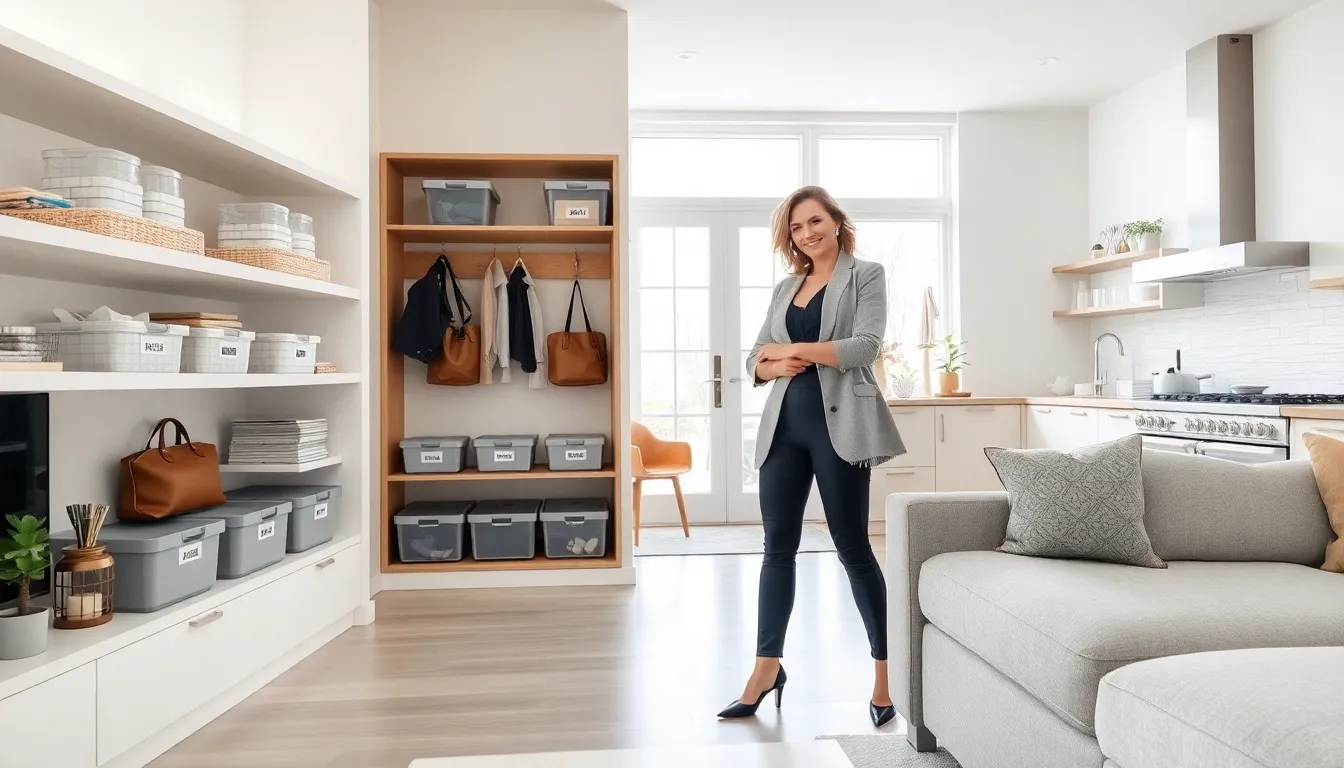
ToggleHome organization tips can transform a chaotic house into a calm, functional space. Clutter builds up fast, mail on the counter, shoes by the door, random items stuffed in drawers. Before long, every room feels overwhelming. The good news? Getting organized doesn’t require a complete overhaul or expensive systems. It takes practical strategies, consistent habits, and a clear plan. This guide covers proven methods to declutter, create storage zones, build daily routines, and use every inch of available space. Whether someone lives in a small apartment or a large family home, these home organization tips work for any lifestyle.
Key Takeaways
- Use the four-box method (Keep, Donate, Trash, Relocate) to declutter room by room without feeling overwhelmed.
- Create designated storage zones for everyday items like keys, mail, and electronics so everything has a home.
- Practice the 10-minute evening reset to maintain organization and wake up to a clutter-free space.
- Apply the one-in-one-out rule—when something new comes in, something old goes out—to prevent accumulation.
- Maximize vertical and hidden spaces using floating shelves, over-door organizers, and under-bed storage containers.
- These home organization tips become automatic habits after about three weeks of consistent practice.
Declutter Room by Room
The first step in any home organization tips strategy is decluttering. Tackling an entire house at once feels impossible. A room-by-room approach makes the task manageable and delivers visible progress.
Start with the easiest room. For many people, that’s the bathroom or a guest bedroom. Success in one space builds momentum for harder areas like closets or garages.
Use the four-box method:
- Keep
- Donate
- Trash
- Relocate
Every item gets sorted into one of these categories. No maybes. No “I’ll decide later” piles. That hesitation is exactly how clutter accumulates in the first place.
Be honest about what stays. If something hasn’t been used in 12 months, it probably won’t be used in the next 12. Sentimental items deserve space, but not everything qualifies as sentimental. That broken picture frame from 2018? It can go.
Set a timer for 30-minute decluttering sessions. Short bursts prevent burnout and keep energy high. Three focused sessions accomplish more than one exhausting all-day marathon.
Once a room is decluttered, resist the urge to immediately fill empty spaces. Empty space isn’t wasted space, it’s breathing room.
Create Designated Storage Zones
Effective home organization tips rely on one principle: everything needs a home. Without designated storage zones, items drift around the house and end up wherever they land.
Define zones by activity or category:
- Create a mail station near the entryway
- Set up a charging station for electronics
- Designate a spot for keys, wallets, and everyday carry items
- Establish a cleaning supply zone in each bathroom
Labeling matters more than most people realize. Labels eliminate guesswork for everyone in the household. They also make it easier to put things back correctly, even for kids.
Containers and bins should match the items they hold. A tiny basket won’t contain winter hats and gloves. An oversized bin makes small items disappear into chaos. Measure the space, measure the stuff, then buy containers.
Kitchen zones deserve special attention since kitchens see the most daily traffic. Group cooking utensils near the stove. Store baking supplies together. Keep everyday dishes at eye level and special-occasion items higher up.
The entryway functions as command central for home organization tips. A hook for each family member’s bag, a tray for shoes, and a small table for outgoing items prevents the “where are my keys” panic every morning.
Remember: zones only work when everyone uses them. A family meeting about the new system helps get buy-in from reluctant household members.
Establish Daily Organization Habits
Home organization tips fail without daily habits to maintain them. A perfectly organized home doesn’t stay that way on its own. Small, consistent actions prevent clutter from returning.
The 10-minute evening reset works wonders. Before bed, spend 10 minutes returning items to their designated zones. Put dishes in the dishwasher. Hang up clothes. Clear flat surfaces. Waking up to a tidy space changes the entire next day.
Apply the one-in-one-out rule. When a new item enters the home, an old item leaves. New shirt? Donate one. New kitchen gadget? Remove an unused one. This rule prevents accumulation without requiring constant decluttering sessions.
Handle mail immediately. Sort it over the recycling bin. Junk goes straight in. Bills and important documents go to the mail station. Catalogs get a 30-second flip-through, then recycled. Mail piles are organization killers.
Make beds every morning. It takes two minutes and makes bedrooms look 80% cleaner instantly. This small win creates psychological momentum for other organized behaviors throughout the day.
Do a weekly 15-minute sweep. Pick one problem area each week, a junk drawer, a closet shelf, a corner of the garage. Fifteen minutes of focused attention keeps small messes from becoming big projects.
Home organization tips stick when they become automatic. After three weeks of consistent practice, these habits require less mental effort. They just happen.
Maximize Vertical and Hidden Spaces
Most homes have unused storage space hiding in plain sight. Smart home organization tips include looking up, looking behind, and looking inside.
Vertical space offers major opportunities:
- Install floating shelves above desks and toilets
- Use over-door organizers in closets, bathrooms, and pantries
- Mount pegboards in garages, craft rooms, and home offices
- Stack bins on high closet shelves for seasonal items
Walls shouldn’t just hold art. Command hooks, mounted baskets, and hanging organizers turn blank walls into functional storage without taking floor space.
Hidden spaces often go ignored:
- Under-bed storage containers hold off-season clothing and extra bedding
- Ottoman storage hides blankets, toys, and magazines in living rooms
- Hollow benches in entryways store shoes out of sight
- Cabinet door organizers add storage for cleaning supplies and spices
The back of doors represents prime real estate. Bedroom doors can hold jewelry organizers. Pantry doors can display spices. Bathroom doors can store hair tools and toiletries.
Corner spaces deserve attention too. Lazy Susans work in cabinets and on countertops. Corner shelving units fill awkward spaces in living rooms and bedrooms.
Think about furniture that multitasks. Coffee tables with drawers, beds with built-in storage, and nesting tables that tuck away all support home organization tips without requiring extra square footage.