
Table of Contents
ToggleEffective home organization techniques can turn chaotic rooms into functional, peaceful spaces. Many people struggle with clutter. Clothes pile up, paperwork spreads across counters, and closets become impossible to manage. The good news? Getting organized doesn’t require a complete lifestyle overhaul.
This guide covers practical home organization techniques that work for real people with busy lives. Readers will learn decluttering strategies, room-by-room methods, smart storage solutions, and habits that keep spaces tidy long-term. Whether someone lives in a small apartment or a large house, these approaches help create order without overwhelming effort.
Key Takeaways
- Effective home organization techniques start with decluttering using methods like the Four-Box approach (Keep, Donate, Trash, Relocate) before buying any storage solutions.
- Work in 15 to 30-minute decluttering sessions to maintain energy and avoid burnout.
- Tailor your home organization techniques to each room—group kitchen items by purpose, categorize closet clothing, and use drawer organizers in bathrooms.
- Maximize space with vertical storage, clear labeled containers, and multi-functional furniture that serves double duty.
- Build sustainable habits like the one-in-one-out rule, daily 10-minute resets, and weekly mini-purges to maintain long-term organization.
- Involve the entire household and create simple systems everyone can follow—progress matters more than perfection.
Start With a Decluttering Strategy
Every successful home organization technique begins with decluttering. Before buying bins or rearranging furniture, people need to remove items they no longer need.
The Four-Box Method
This classic approach uses four containers: Keep, Donate, Trash, and Relocate. As someone sorts through belongings, each item goes into one box. The method forces quick decisions and prevents endless deliberation over every object.
Set Time Limits
Decluttering an entire home feels overwhelming. Instead, work in 15 to 30-minute sessions. Set a timer, focus on one drawer or shelf, then stop. Short bursts maintain energy and prevent burnout.
Ask the Right Questions
For each item, ask: “Have I used this in the past year?” and “Does this serve a purpose or bring genuine joy?” If the answer is no to both, let it go. Sentimental items deserve consideration, but keeping everything defeats the purpose of home organization techniques.
Handle Paper Clutter
Paperwork creates visual chaos quickly. Sort mail immediately, recycle junk, file important documents, and address action items within 48 hours. Going digital with bank statements and bills reduces paper buildup significantly.
Room-by-Room Organization Methods
Different spaces require different home organization techniques. What works in a kitchen won’t necessarily work in a bedroom.
Kitchen Organization
The kitchen sees daily heavy use, so it needs functional systems. Group items by purpose, baking supplies together, cooking utensils near the stove, and everyday dishes within easy reach. Use drawer dividers to prevent utensil chaos. Clear containers for dry goods like pasta, rice, and cereal save space and show exactly what’s running low.
Bedroom and Closet Systems
Closets often become dumping grounds. Start by sorting clothing into categories: shirts, pants, dresses, workout gear. Hang similar items together and face hangers the same direction. Shelf dividers keep folded stacks from toppling. Under-bed storage works well for seasonal clothing or extra linens.
Bathroom Essentials
Bathrooms have limited space but hold many small items. Use drawer organizers for makeup and grooming tools. Install a tension rod under the sink to hang spray bottles. Keep only current products accessible, store backups elsewhere.
Living Room Strategies
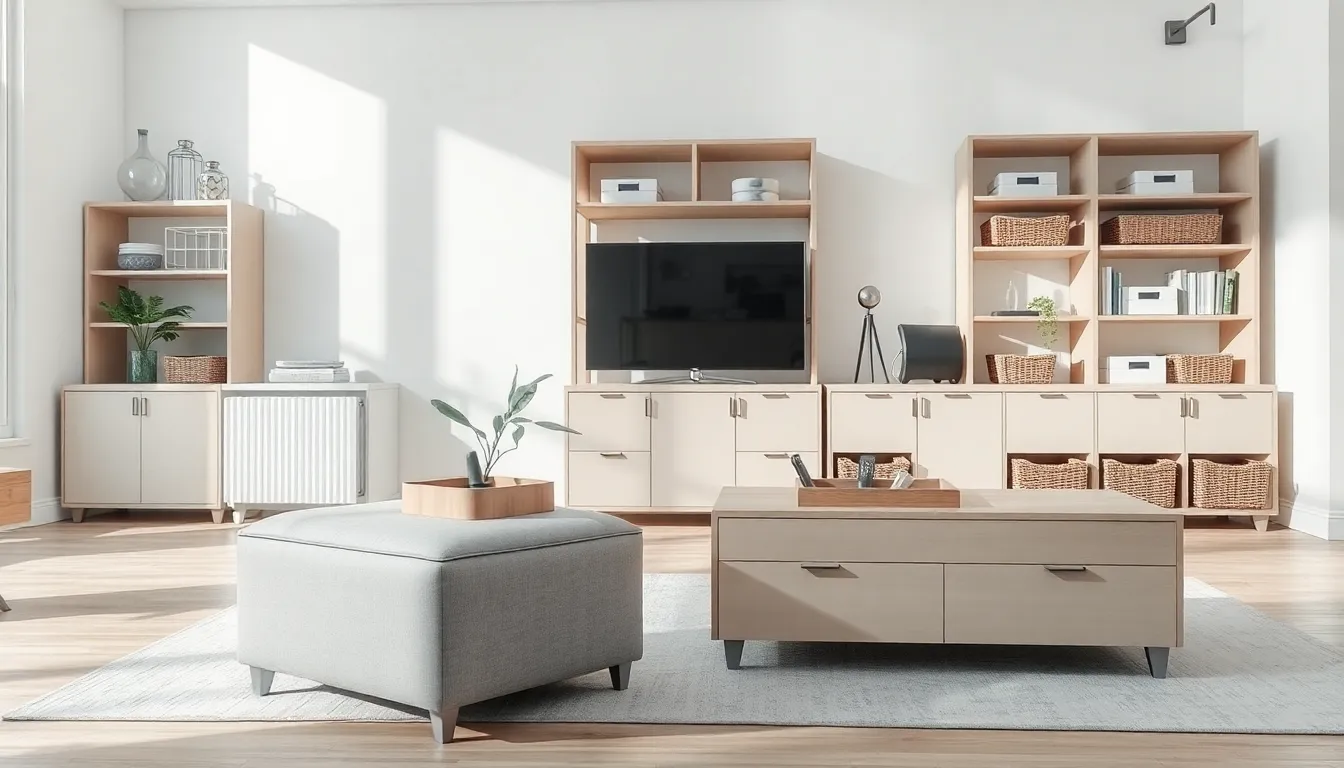
Living rooms serve multiple functions: relaxing, entertaining, sometimes working. Baskets corral remote controls, magazines, and blankets. A console or ottoman with hidden storage keeps surfaces clear while providing extra seating or table space.
Storage Solutions That Maximize Space
Smart storage transforms home organization techniques from temporary fixes into lasting systems.
Vertical Storage
Walls offer untapped potential. Floating shelves display items while freeing floor space. Over-door organizers work in closets, pantries, and bathrooms. Pegboards in garages or craft rooms hold tools visibly and accessibly. Think up, not out.
Clear Containers and Labels
Seeing contents at a glance saves time and prevents duplicate purchases. Label everything, even obvious containers. Labels help family members return items to correct spots, maintaining organization without constant supervision.
Multi-Functional Furniture
Storage ottomans, beds with drawers, and coffee tables with shelving serve double duty. For small spaces, this approach proves essential. Every piece of furniture should work hard.
Zone Creation
Assign specific areas for specific activities. A designated spot for keys, wallets, and bags near the entry prevents morning searches. A assignments zone keeps school supplies contained. A bill-paying station centralizes important paperwork. When everything has a home, putting things away becomes automatic.
Seasonal Rotation
Not everything needs daily access. Store holiday decorations, seasonal sports equipment, and off-season clothing in labeled bins. Rotate items as needed. This home organization technique keeps living spaces focused on current needs.
Building Sustainable Organizational Habits
Home organization techniques only work long-term when supported by consistent habits.
The One-In-One-Out Rule
For every new item that enters the home, one similar item leaves. Buy a new shirt? Donate an old one. This simple practice prevents accumulation from starting again.
Daily Reset Routines
Spend 10 to 15 minutes each evening returning items to their places. A quick kitchen cleanup, straightening pillows, and clearing surfaces make mornings easier. Small daily effort beats weekend-long cleanup marathons.
Weekly Mini-Purges
Once a week, scan one area for items no longer needed. A junk drawer, a kitchen cabinet, or a bathroom shelf, just one spot. Regular mini-purges prevent clutter from building unnoticed.
Involve the Household
Home organization techniques succeed when everyone participates. Assign age-appropriate responsibilities. Create systems simple enough for children to follow. When organization becomes a shared value, maintaining it gets easier.
Forgive Imperfection
No home stays perfectly organized every moment. Life happens, busy weeks, sick kids, unexpected guests. The goal isn’t perfection but progress. Having systems in place means recovery takes hours, not days.