
Table of Contents
ToggleEffective home organization strategies transform cluttered spaces into functional living areas. A disorganized home creates stress, wastes time, and makes daily routines harder than they need to be. The good news? Anyone can build an organized home with the right approach.
This guide covers practical home organization strategies that deliver real results. From decluttering methods to smart storage solutions, these techniques help create spaces that work for everyday life. Whether dealing with an overflowing closet or a chaotic kitchen, these strategies provide a clear path forward.
Key Takeaways
- Start any home organization strategy with a decluttering plan using the four-box method (keep, donate, trash, relocate) to make quick decisions.
- Organize room by room to prevent burnout and build momentum with visible progress in high-use areas like kitchens and closets.
- Maximize vertical and hidden storage solutions such as wall-mounted shelves, over-door organizers, and ottomans with compartments.
- Apply the one-in-one-out rule to prevent clutter from accumulating after you’ve organized a space.
- Build daily reset habits of 5–10 minutes to maintain your home organization strategies and avoid returning to chaos.
- Label everything and store items by frequency of use, keeping daily essentials at eye level for easy access.
Start With a Decluttering Plan
Every successful home organization strategy begins with decluttering. Trying to organize clutter is like rearranging deck chairs on a sinking ship, it doesn’t solve the actual problem.
Start by setting clear goals. Identify which areas cause the most frustration and prioritize those spaces first. A written plan keeps the process focused and prevents overwhelm.
The four-box method works well for most people. Label boxes as “keep,” “donate,” “trash,” and “relocate.” Pick up each item once and make an immediate decision. This approach prevents the common trap of shuffling items from pile to pile.
Timing matters too. Schedule specific decluttering sessions rather than waiting for motivation to strike. Even 15 minutes daily produces significant progress over a week. Set a timer and commit to sorting through one drawer, shelf, or corner.
Ask tough questions about each item. Has it been used in the past year? Does it serve a current purpose? Does it bring genuine value? These questions cut through emotional attachment and lead to honest decisions.
Don’t forget digital clutter. Delete old files, organize photos, and unsubscribe from emails that pile up unread. Digital messes affect mental clarity just like physical ones.
Organize Room by Room
Home organization strategies work best when applied systematically. A room-by-room approach prevents burnout and creates visible progress that builds momentum.
Kitchen and Pantry
The kitchen demands efficient organization because it sees daily use. Start with the pantry by removing everything from shelves. Check expiration dates and toss anything past its prime.
Group similar items together. Keep baking supplies in one zone, breakfast items in another, and snacks in a dedicated spot. Clear containers make contents visible and portion sizes obvious. Label everything, it takes seconds and saves minutes of searching later.
Apply the same zone approach to kitchen drawers and cabinets. Store items near where they get used. Pots belong near the stove. Cutting boards belong near prep areas. This principle reduces steps and streamlines cooking.
Use vertical space with shelf risers and door-mounted racks. These simple additions double storage capacity without requiring renovation.
Closets and Bedrooms
Closets often become catch-all spaces for items without a home. Effective home organization strategies address this directly.
Sort clothing by category first, pants with pants, shirts with shirts. Then arrange by color within each category. This system makes getting dressed faster and reveals what’s actually owned. Most people wear 20% of their wardrobe 80% of the time. Donate the items that sit untouched season after season.
Matching hangers create visual calm and maximize rod space. Slim velvet hangers hold more items than bulky plastic ones.
Bedroom surfaces attract clutter quickly. Keep nightstands minimal with only essentials: a lamp, phone charger, and perhaps a book. Under-bed storage containers hold seasonal items or extra linens without taking visible space.
Smart Storage Solutions for Every Space
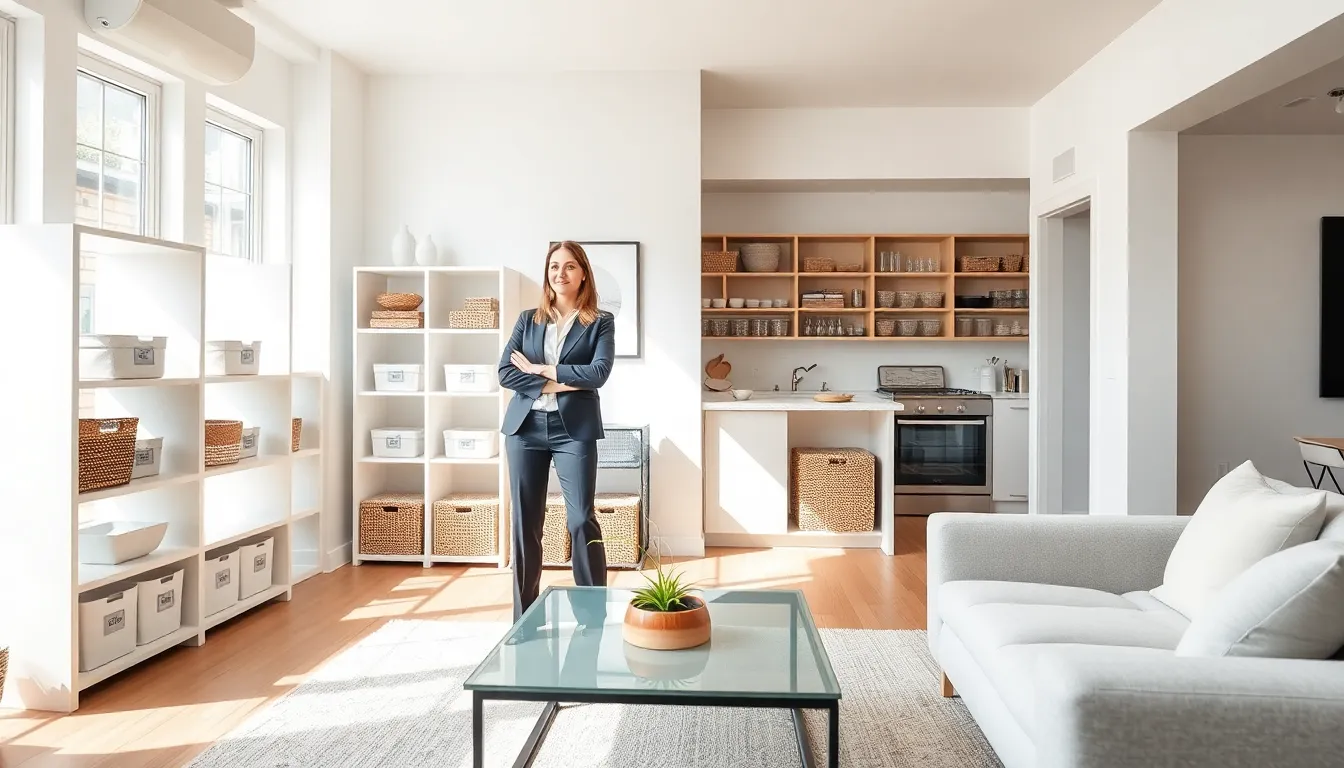
The right storage solutions multiply available space. Smart home organization strategies match storage to specific needs rather than buying random bins and hoping for the best.
Vertical storage remains underused in most homes. Wall-mounted shelves, over-door organizers, and tall bookcases capture space that otherwise sits empty. A blank wall behind a door can hold shoes, cleaning supplies, or accessories.
Modular systems adapt as needs change. Cube storage units reconfigure easily. Adjustable shelving grows with collections. These flexible options beat fixed solutions that become obsolete.
Hidden storage maintains clean sight lines. Ottomans with interior compartments store blankets. Benches with lift-tops hold seasonal gear. Coffee tables with drawers corral remote controls and coasters.
Labels transform storage from chaos to system. They eliminate guessing, help family members maintain organization, and make putting things away almost automatic. A label maker pays for itself in saved time within weeks.
Consider frequency of use when assigning storage locations. Daily items deserve prime real estate at eye and arm level. Seasonal items belong on high shelves or in closet corners. Rarely used items can go to garage shelves or attic bins.
Building Habits to Stay Organized
Home organization strategies fail without maintenance habits. A beautifully organized space returns to chaos within weeks if daily routines don’t support it.
The one-in-one-out rule prevents accumulation. Each new purchase means releasing a similar item. New shirt? Donate an old one. New kitchen gadget? Remove one that collects dust. This habit keeps belongings at a sustainable level.
Daily resets take five to ten minutes and maintain order. Before bed, return items to their designated spots. Clear surfaces. Hang up clothes. These small actions prevent small messes from becoming overwhelming projects.
Weekly maintenance sessions catch what daily habits miss. Spend 20 minutes each weekend addressing areas that drift toward disorder. File papers. Sort mail. Reorganize a drawer that’s gotten messy.
Involve everyone in the household. Assign age-appropriate tasks to children. Discuss storage systems with partners. Shared responsibility prevents one person from shouldering all organizational labor.
Track progress to stay motivated. Take before photos of problem areas. Celebrate improvements. Notice how organized spaces reduce stress and save time. These positive associations reinforce new habits.