
Table of Contents
ToggleHome organization for beginners doesn’t have to feel overwhelming. Most people look around their cluttered spaces and wonder where to even start. The good news? Getting organized is a skill anyone can learn, and it doesn’t require expensive products or a complete lifestyle overhaul.
This guide breaks down practical steps to transform messy rooms into functional spaces. Whether dealing with overflowing closets, chaotic kitchens, or living rooms buried under stuff, these strategies work. The key is starting simple and building momentum from there.
Key Takeaways
- Home organization for beginners starts with one small area—like a drawer or closet—to build confidence and momentum.
- Use the four-box method (Keep, Donate, Trash, Relocate) to declutter quickly and avoid overthinking.
- Declutter before buying storage products to avoid filling bins with items you should have discarded.
- Effective storage solutions exist at every budget, from repurposed containers to custom closet systems.
- Daily 10-minute reset routines and the one-in-one-out rule prevent clutter from returning.
- Organized homes reduce stress, save time, and help avoid duplicate purchases—making home organization worth the effort.
Why Home Organization Matters
A cluttered home affects more than just appearances. Studies show that disorganized spaces increase stress levels and reduce productivity. People spend an average of 10 minutes each day searching for misplaced items, that’s over 60 hours per year wasted on lost keys, missing documents, and buried belongings.
Home organization creates mental clarity. When everything has a designated place, decision fatigue decreases. Morning routines become smoother. Evenings feel more relaxing.
There’s also a financial benefit to home organization. Organized households tend to avoid duplicate purchases. How many times has someone bought tape, only to find three rolls already hiding in a drawer? Getting organized stops that cycle.
For beginners, understanding these benefits provides motivation. Organization isn’t about perfection or Instagram-worthy rooms. It’s about creating a home that functions well and supports daily life.
Start Small With One Room at a Time
The biggest mistake beginners make with home organization is trying to tackle everything at once. This leads to burnout, half-finished projects, and piles of stuff sitting in hallways for weeks.
Instead, pick one room. Better yet, pick one area within one room. A single kitchen drawer. One bathroom cabinet. The coat closet.
Here’s a practical approach:
- Choose a high-impact area first. The entryway or kitchen counter often provides immediate visual relief and daily functionality improvements.
- Set a timer for 15-30 minutes. Short sessions prevent exhaustion and maintain enthusiasm for home organization projects.
- Complete the area before moving on. Finishing creates momentum and proves that organization is achievable.
Many beginners find that starting with their bedroom closet works well. It’s private, so there’s no pressure from visitors. And waking up to an organized space sets a positive tone for each day.
Once one area is complete, the confidence gained makes tackling the next space easier. Home organization becomes less of a chore and more of a satisfying project.
The Four-Box Decluttering Method
Every successful home organization project starts with decluttering. The four-box method offers a simple system that works for beginners and experienced organizers alike.
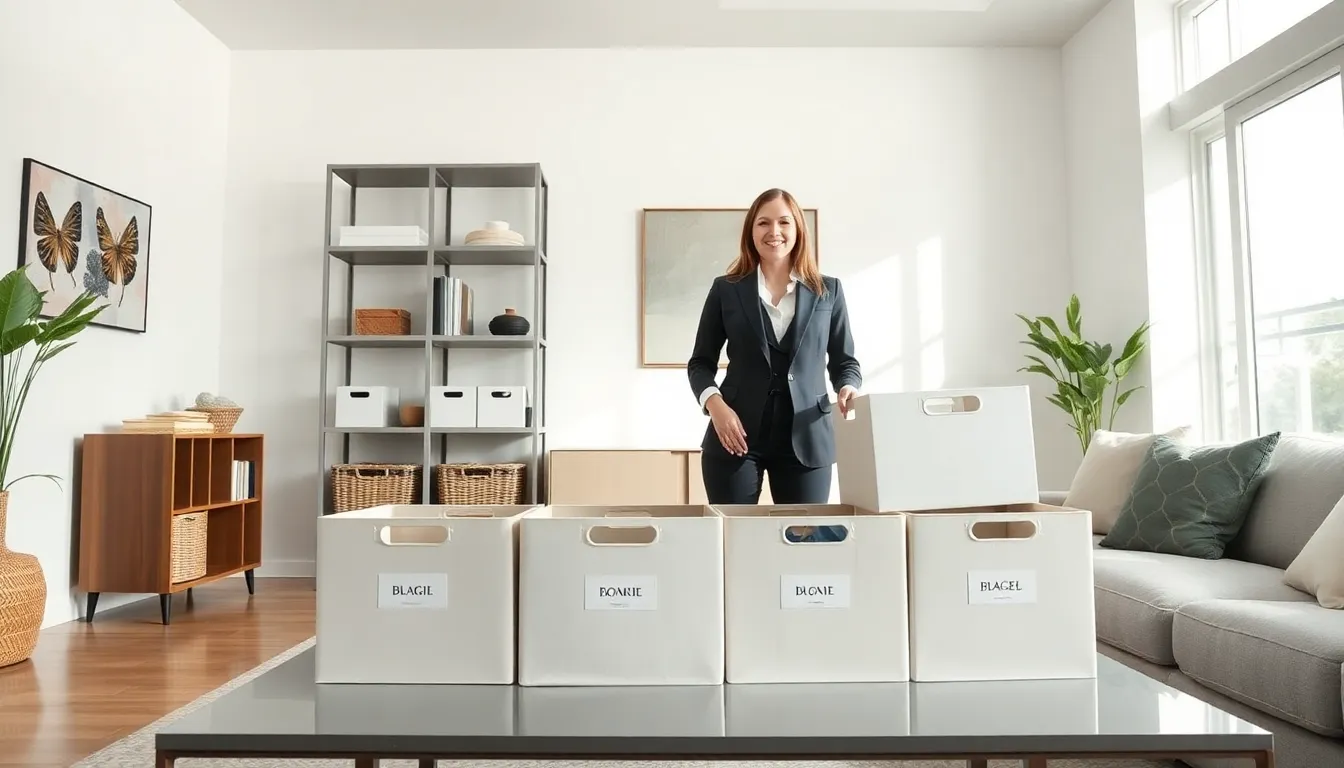
Grab four boxes or bags and label them:
- Keep – Items used regularly and loved
- Donate/Sell – Things in good condition that others could use
- Trash – Broken, expired, or worn-out items
- Relocate – Belongings that belong in a different room
The rules are straightforward. Pick up each item and immediately place it in one of the four boxes. No “maybe” pile. No setting things aside to decide later. Quick decisions prevent the overthinking that stalls home organization efforts.
Some helpful questions when sorting:
- Has this been used in the past year?
- Does it serve a clear purpose?
- Would it be replaced if lost?
The four-box method forces action. By the end of a session, belongings are sorted, and the next steps become obvious. Trash goes out. Donations get loaded into the car. Relocated items find their proper homes.
For beginners, this system removes the guesswork from home organization and provides a repeatable process for any space.
Essential Storage Solutions for Every Budget
After decluttering, storage solutions help maintain home organization. The good news for beginners: effective storage doesn’t require a big budget.
Budget-Friendly Options (Under $20)
- Drawer dividers keep utensils, office supplies, and accessories separated
- Over-the-door organizers maximize vertical space in closets and bathrooms
- Clear plastic bins make contents visible and stack efficiently
- Tension rods create extra hanging space under sinks or in cabinets
Mid-Range Investments ($20-$75)
- Shelf risers double cabinet capacity in kitchens and pantries
- Labeled storage containers bring uniformity to pantries and closets
- Rolling carts provide flexible storage that moves where needed
Premium Solutions ($75+)
- Custom closet systems transform chaotic wardrobes
- Furniture with built-in storage serves dual purposes
- Modular shelving units adapt to changing needs
One important rule for beginners: declutter before buying storage products. Many people purchase bins and baskets, then fill them with things they should have discarded. Home organization works best when storage contains only items that deserve a place in the home.
Start with what’s already available. Shoeboxes, mason jars, and repurposed containers often work just as well as store-bought solutions.
Building Habits to Stay Organized
Home organization isn’t a one-time event. Staying organized requires simple daily habits that prevent clutter from returning.
The One-In-One-Out Rule
When something new enters the home, something old leaves. This applies to clothing, kitchen gadgets, books, and decor. The rule maintains balance and prevents accumulation.
Daily Reset Routines
Spend 10 minutes each evening returning items to their designated spots. This small effort prevents the slow creep of disorder that overwhelms spaces over time.
Weekly Maintenance Tasks
- Clear flat surfaces (counters, tables, desks)
- Process incoming mail and paperwork
- Review one area for items that no longer serve a purpose
Monthly Check-Ins
Once a month, assess one room or category. Closets, pantries, and bathroom cabinets benefit from regular attention. These check-ins catch problems before they become major home organization projects.
Beginners often discover that maintenance takes far less effort than the initial organizing push. A home that’s already organized requires only small adjustments to stay that way. The habits become automatic within a few weeks, and the benefits of home organization become a permanent part of daily life.