
Table of Contents
ToggleCooking salmon in a dishwasher sounds like a kitchen myth or a prank, but it’s a legitimate technique that’s been around for decades. The method uses the appliance’s hot water cycle to gently poach fish wrapped in airtight foil, delivering moist, evenly cooked results without firing up the oven. It’s not a party trick, it’s a clever use of existing equipment that taps into consistent, low-temperature heat. This guide breaks down exactly how dishwasher salmon works, walks through the process step by step, and covers safety considerations so DIYers can decide if this quirky cooking method is worth trying at home.
Key Takeaways
- Dishwasher salmon is a legitimate cooking technique that uses the appliance’s heated water cycle (140°F–160°F) to gently poach foil-wrapped fillets into moist, evenly cooked results.
- The method mimics sous vide cooking by trapping steam in airtight foil packets, preventing overcooking and keeping the fish tender without direct heat exposure.
- Proper wrapping with heavy-duty aluminum foil and double-sealing is critical to prevent leaks and detergent contamination when cooking salmon in a dishwasher.
- Run a full wash cycle with heated dry for at least 60 minutes on the top rack away from spray arms, and always verify the salmon reaches 145°F internal temperature for food safety.
- Dishwasher salmon works best as an energy-efficient, hands-off cooking method when your dishwasher is already running, making it ideal for small kitchens or unconventional cooking situations.
- Flavor options are endless—from classic lemon-dill to Asian-inspired glazes—because the sealed foil packet traps steam that concentrates seasonings and infuses the fish thoroughly.
What Is Dishwasher Salmon and Why Would You Try It?
Dishwasher salmon is exactly what it sounds like: a salmon fillet wrapped in multiple layers of aluminum foil and cooked during a full dishwasher cycle. The appliance’s heated rinse water reaches temperatures between 140°F and 160°F, which falls into the ideal range for gentle poaching. The technique was popularized by Vincent Price in the 1970s and has been featured in cookbooks and food magazines ever since.
The appeal is twofold. First, it’s an energy-efficient option if someone’s already running a full load of dishes, the fish cooks using heat that would otherwise be wasted. Second, the sealed foil packet creates a steam environment that keeps the salmon moist and tender without the risk of overcooking that comes with stovetop or oven methods.
That said, it’s not a daily cooking method for most people. It’s slower than traditional methods, requires careful wrapping, and depends on having a dishwasher cycle available. But for DIYers who appreciate unconventional techniques and resourcefulness, it’s a hands-off approach that produces reliably good results. Kitchens testing alternative cooking methods often turn to this technique for its simplicity and consistent temperature control.
The Science Behind Cooking Salmon in Your Dishwasher
The dishwasher cooking method works because it mimics the principles of sous vide or low-temperature poaching. During a normal wash cycle, water is heated to sanitize dishes, and that heat is transferred to the foil-wrapped salmon sitting on the top rack. Most dishwashers maintain a consistent temperature throughout the cycle, which prevents the temperature spikes that can dry out fish.
Salmon is fully cooked and safe to eat when its internal temperature reaches 145°F, according to USDA guidelines. A standard dishwasher’s heated dry cycle pushes water temperatures into the 140°F to 160°F range, which is hot enough to cook the fish through without exceeding the threshold where proteins tighten and moisture is squeezed out. The foil acts as a barrier, trapping steam and seasonings while keeping dish detergent and water away from the food.
The key difference between this and oven poaching is time and environment. A dishwasher cycle runs for 60 to 90 minutes, allowing the salmon to come up to temperature slowly and evenly. The sealed packet prevents any part of the fillet from drying out, and because there’s no direct flame or dry heat, the fish stays tender. It’s not faster than conventional methods, but it is more forgiving, overcooking is much harder to do when the surrounding temperature is capped.
Step-by-Step Guide to Cooking Dishwasher Salmon
Preparing and Wrapping Your Salmon Properly
Materials and tools needed:
- Salmon fillet (4 to 6 ounces per portion)
- Heavy-duty aluminum foil (18-inch wide)
- Olive oil or butter
- Seasonings (salt, pepper, lemon slices, herbs)
- Measuring tape or ruler (optional, for portion sizing)
Step-by-step wrapping process:
- Portion the salmon. Use skin-on or skinless fillets, each around 4 to 6 ounces. Pat dry with paper towels to remove surface moisture.
- Season generously. Drizzle with olive oil or place a pat of butter on top. Add salt, black pepper, and aromatics like lemon slices, dill, or garlic. The foil traps flavors, so don’t hold back.
- Wrap tightly in foil. Tear off a sheet of heavy-duty foil about 18 inches long. Place the fillet in the center, fold the long edges together, and crimp tightly to seal. Fold the short ends over at least twice to create a watertight seal.
- Double-wrap for insurance. Repeat the process with a second sheet of foil, wrapping in the opposite direction. This prevents any leaks and keeps detergent out. The goal is an airtight packet that won’t let water in or steam out.
- Check the seals. Press gently on the packet, if air escapes, re-crimp the edges. A loose seal can allow soapy water to seep in, ruining the fish.
Selecting the Right Dishwasher Cycle and Settings
Cycle requirements:
Use a full wash cycle with heated dry. Avoid quick wash or rinse-only settings, as they don’t maintain heat long enough to cook the fish through. The entire cycle should run for at least 60 minutes, with water temperatures peaking during the rinse and dry phases.
Placement:
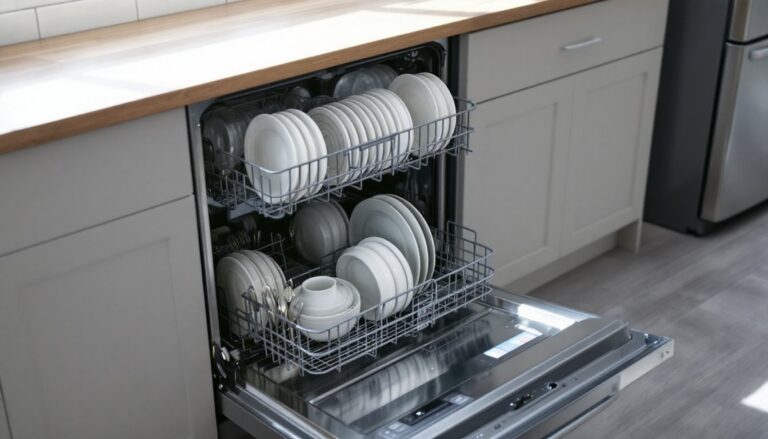
Set the foil packet on the top rack, away from the detergent dispenser and any moving spray arms. The top rack stays farther from the heating element and experiences gentler, more consistent heat. Don’t block spray arms or interfere with the normal operation of the dishwasher.
Detergent:
Run the cycle with dishes and detergent as usual. The foil seal protects the salmon, and the detergent doesn’t affect the cooking process. Some people prefer to run an empty cycle, but it’s less efficient and defeats the energy-saving appeal of the method. Dishwasher salmon recipes often recommend running a normal load to maximize the benefit.
Timing:
Once the cycle finishes, carefully remove the packet using oven mitts, it will be hot. Let it rest for 2 to 3 minutes before unwrapping to allow carryover cooking and avoid steam burns. Open the foil slowly, tilting it away to release steam safely.
Safety Considerations and Common Mistakes to Avoid
Safety first:
- Wear oven mitts when removing the foil packet. The metal will be hot enough to cause burns.
- Check for leaks before starting the cycle. A poorly sealed packet can contaminate the fish with detergent, which is unsafe to eat.
- Use fresh salmon only. This method isn’t suitable for frozen fillets unless they’re fully thawed and patted dry. Ice crystals can create condensation that dilutes seasonings and affects texture.
- Verify internal temperature. Use an instant-read thermometer to confirm the thickest part of the fillet has reached 145°F. If it hasn’t, rewrap and run another rinse cycle, or finish in a preheated oven at 350°F for 5 to 10 minutes.
Common mistakes:
- Using thin or standard foil. Regular foil is more prone to tearing or developing pinhole leaks. Always use heavy-duty aluminum foil and double-wrap.
- Overloading the dishwasher. If the packet blocks spray arms or is crammed between dishes, it may not heat evenly. Leave space around it for water circulation.
- Skipping the heated dry setting. Without the dry cycle, the dishwasher won’t reach or maintain the temperatures needed to cook the fish through.
- Opening the packet immediately. Steam trapped inside can cause burns. Let it rest for a few minutes and open carefully, tilting away from your face.
- Assuming all dishwashers are the same. Older or lower-wattage models may not reach high enough temperatures. Check your appliance’s manual for cycle temperatures, or use a dishwasher-safe thermometer to verify heat levels before attempting this method.
This isn’t a technique for every kitchen, and it’s not faster than conventional cooking. But if someone has a dishwasher running anyway and wants to experiment with a low-maintenance, energy-efficient cooking method, it’s a solid option, provided they follow the wrapping and safety steps carefully.
Recipe Ideas and Seasoning Combinations for Dishwasher Salmon
The foil-packet method is forgiving and works with a wide range of seasonings. Because the steam stays trapped, flavors concentrate and infuse the fish thoroughly.
Classic lemon-dill:
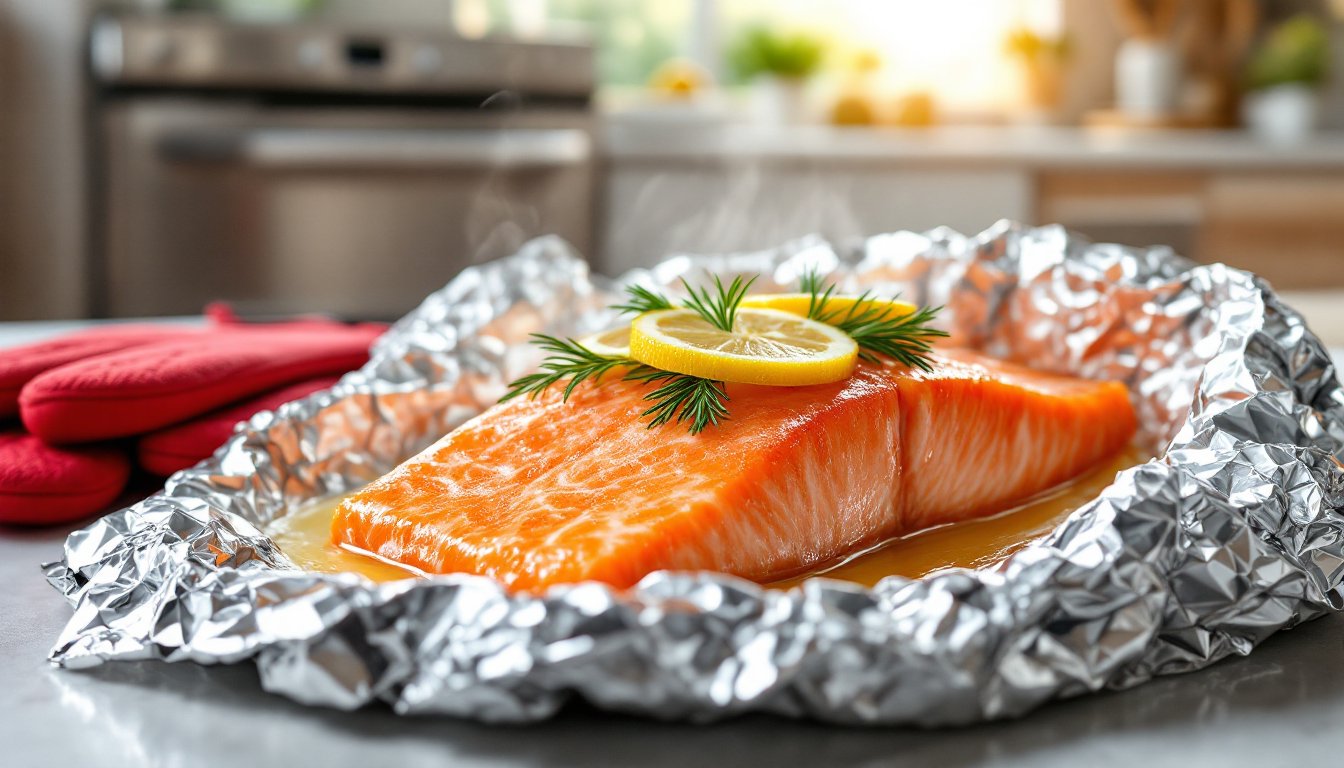
Drizzle the fillet with olive oil, season with salt and black pepper, and top with 3 to 4 thin lemon slices and fresh dill sprigs. The citrus brightens the fish, and the dill adds an herbal note.
Asian-inspired glaze:
Brush the salmon with a mixture of 2 tablespoons soy sauce, 1 tablespoon honey, 1 teaspoon sesame oil, and minced ginger. Add sliced scallions before sealing. The soy and honey caramelize slightly in the steam, creating a sticky, savory coating.
Mediterranean style:
Rub the fillet with olive oil, then add minced garlic, chopped sun-dried tomatoes, Kalamari olives, and fresh basil. Finish with a squeeze of lemon after unwrapping.
Cajun spice:
Coat the salmon with 1 tablespoon melted butter and a generous sprinkle of Cajun seasoning (paprika, cayenne, garlic powder, onion powder, thyme). This method keeps the spices from burning, which can happen with high-heat cooking.
Herb butter:
Place a tablespoon of compound butter (butter mixed with parsley, chives, and garlic) on top of the fillet. As it melts, it bastes the fish and creates a rich sauce in the bottom of the packet.
Pairing these flavorful recipes with simple sides like steamed vegetables or rice makes for a complete meal. The beauty of the dishwasher method is that it doesn’t require constant monitoring, so cooks can prep sides or handle other tasks while the salmon cooks.
This technique won’t replace traditional methods for most people, but it’s a practical option when efficiency and hands-off cooking matter. It’s especially useful for small kitchens, off-grid setups, or situations where oven and stovetop space is limited. For DIYers who appreciate resourcefulness and aren’t afraid to try something unconventional, dishwasher salmon delivers consistent, moist results with minimal cleanup.