
Table of Contents
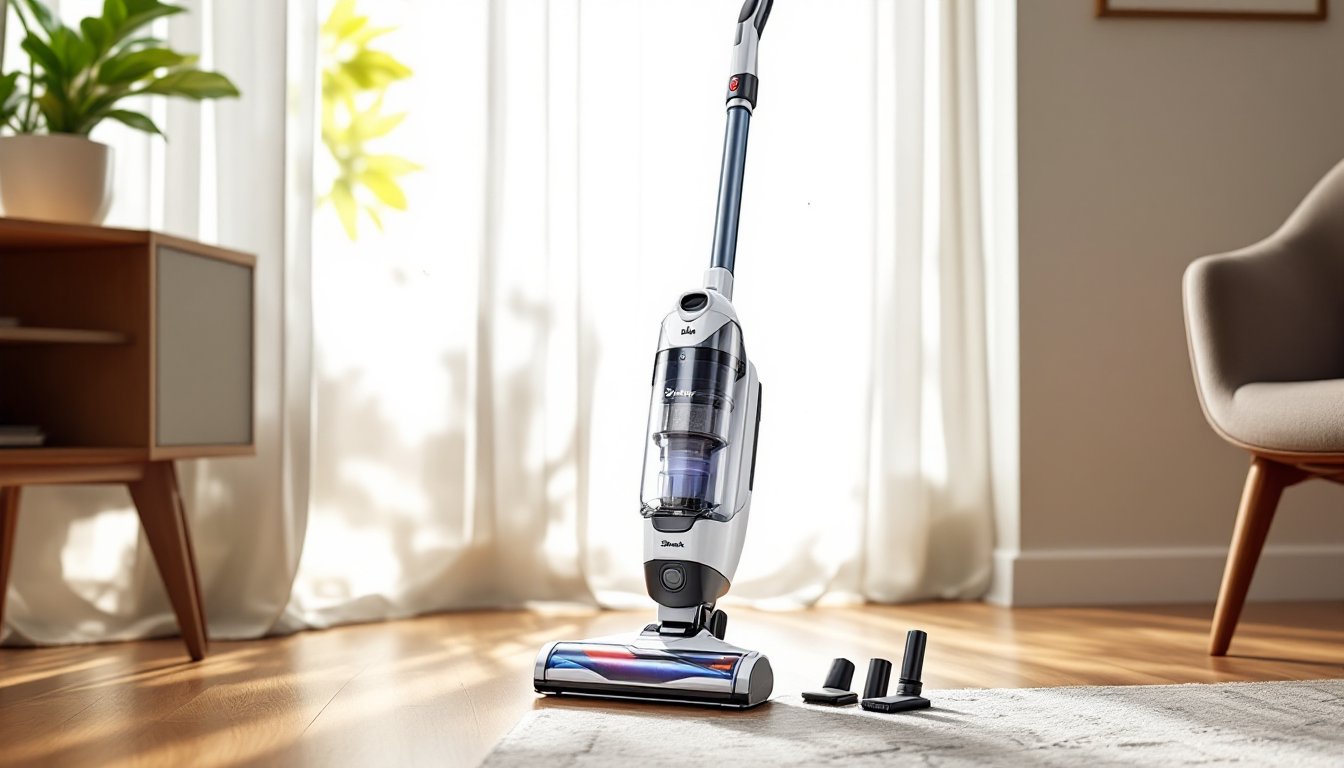
ToggleShark corded stick vacuums occupy a unique niche in the home cleaning arsenal, they combine the maneuverability of lightweight stick designs with the uninterrupted runtime that only a corded power source can deliver. Unlike battery-powered models that fade mid-job or require expensive replacement batteries down the line, corded stick vacuums plug in and keep going until the job’s done. They’re particularly effective for quick daily pickups, hardwood and tile maintenance, and cleaning up debris from renovation projects without the weight and bulk of a full-size upright. This guide breaks down what makes Shark’s corded stick lineup worth considering, compares their top models, and provides practical selection and maintenance advice to help homeowners get years of reliable performance.
Key Takeaways
- Shark corded stick vacuums deliver consistent suction power and lightweight maneuverability without battery fade, making them ideal for quick pickups, hardwood maintenance, and post-project cleanups.
- The Shark Rocket model features a larger 0.68-quart dust cup and lift-away canister for versatile above-floor cleaning, while the Navigator Freestyle offers a budget-friendly, compact option at 7.5 pounds for primarily hard-surface homes.
- Choose between Shark corded stick models based on your flooring type—the Rocket suits mixed surfaces with carpet, while the Navigator Freestyle excels on hardwood, tile, and laminate with minimal interruptions.
- Regular maintenance including monthly dust cup emptying, filter rinsing every 30 days, and weekly brushroll hair removal prevents motor strain and extends vacuum lifespan by years.
- Unlike cordless alternatives, Shark corded stick vacuums eliminate recurring battery replacement costs ($60–$100 every 2–3 years) while maintaining full power throughout entire cleaning sessions.
What Makes Shark Corded Stick Vacuums Stand Out
Shark corded stick vacuums deliver several practical advantages that make them competitive with both cordless sticks and traditional uprights.
Consistent suction power is the primary benefit. Because they draw power directly from a wall outlet, corded models maintain full motor speed and airflow throughout the entire cleaning session, no voltage sag, no battery fade. This matters most when tackling embedded pet hair, construction dust, or debris tracked in from outdoor projects.
Lightweight design sets them apart from full-size uprights. Most Shark corded stick models weigh between 7 to 10 pounds, making them easy to carry upstairs, maneuver around furniture legs, and lift overhead to clean ceiling corners or light fixtures. The slimmer profile also lets them slide under couches and cabinets where uprights can’t reach.
Swivel steering is standard across Shark’s corded lineup. The pivot joint near the floor head allows for tight turns around table legs, along baseboards, and in narrow hallways without repositioning your stance. This feature reduces the number of passes needed and speeds up total cleaning time.
Versatile attachments extend functionality beyond bare floors and carpet. Most models include a crevice tool for baseboards and window tracks, an upholstery brush for furniture and stairs, and a dusting brush for vents and blinds. These tools snap on without requiring separate power heads.
Lower long-term cost compared to cordless models is a practical consideration. There’s no lithium-ion battery pack to replace after 2–3 years of regular use, which can cost $60–$100 depending on the model. The corded design also eliminates the need for a charging dock, freeing up outlet space and reducing cord clutter.
One tradeoff: the power cord limits range to roughly 25–30 feet from the outlet, depending on cord length. For larger homes, this means unplugging and switching outlets mid-clean. But for quick pickups, spot cleaning, or homes under 1,500 square feet, the cord is rarely an obstacle.
Top Shark Corded Stick Vacuum Models to Consider
Shark offers several corded stick models tailored to different household needs. The two most relevant for DIY homeowners and regular maintenance are the Rocket and Navigator Freestyle lines.
Shark Rocket Corded Stick Vacuum
The Shark Rocket series represents Shark’s higher-capacity corded stick platform. It features a larger dust cup, typically 0.68 quarts, which reduces the frequency of mid-job emptying. This is especially helpful during post-project cleanups when you’re vacuuming drywall dust, sawdust, or drywall mud crumbs.
The motor delivers strong suction suitable for low-pile carpet, area rugs, and hard surfaces. The floor head includes a brushroll with bristles designed to agitate carpet fibers and capture embedded dirt. A brushroll shutoff switch lets users disable the brushroll for hardwood and tile, preventing scratches and scattering of larger debris.
The Rocket typically includes a lift-away canister feature, allowing the main motor and dust cup to detach from the wand. This configuration converts the vacuum into a handheld unit for cleaning stairs, upholstery, car interiors, and workshop surfaces without dragging the floor head behind.
Weight hovers around 9 pounds, making it slightly heavier than ultra-compact models but still manageable for overhead cleaning and stair work. The power cord usually measures 25 feet, which provides adequate range for most rooms without repositioning.
The Rocket works well for homeowners who clean multiple surface types daily and need the flexibility to handle both routine maintenance and occasional heavier debris from DIY projects. It’s a solid choice for homes with pets, as the brushroll handles pet hair on upholstery and low-pile rugs effectively.
Shark Navigator Freestyle Corded Stick Vacuum
The Shark Navigator Freestyle is a more compact, budget-friendly option within the corded stick lineup. It typically weighs around 7.5 pounds and features a smaller dust cup, approximately 0.44 quarts, which means more frequent emptying but easier maneuverability.
This model prioritizes quick pickups over heavy-duty cleaning. The narrower floor head excels on hardwood, laminate, and tile, and it handles low-pile rugs without issue. The brushroll design is gentler than the Rocket’s, which reduces the risk of scattering debris but also limits effectiveness on thick or high-pile carpet.
The Navigator Freestyle doesn’t include a lift-away canister, so it operates as a single-unit stick vacuum. Attachments connect via an onboard hose that extends from the handle, allowing for above-floor cleaning without full disassembly.
Cord length is similar to the Rocket at around 25 feet. The slimmer build makes storage easier, it fits in narrow closets or against a wall without tipping.
This model is ideal for smaller homes, apartments, or as a secondary vacuum for quick cleanups between uses of a larger machine. It’s also a practical choice for homeowners focused on hard-surface cleaning who don’t need heavy carpet performance.
How to Choose the Right Shark Corded Stick Vacuum for Your Home
Selecting the right model depends on your home’s square footage, flooring types, typical debris, and how often you vacuum.
Flooring type is the first consideration. If your home is primarily hardwood, tile, or laminate with minimal carpeting, the Navigator Freestyle’s lighter weight and gentler brushroll work well. For mixed flooring with area rugs or wall-to-wall low-pile carpet, the Rocket’s stronger suction and more aggressive brushroll handle embedded dirt better.
Dust cup capacity matters if you’re cleaning larger areas or dealing with frequent debris. The Rocket’s 0.68-quart cup reduces interruptions during post-renovation cleanups, while the Navigator Freestyle’s 0.44-quart cup is sufficient for daily maintenance in smaller spaces.
Attachment needs vary by household. If you regularly clean stairs, furniture, or vehicles, prioritize models with a lift-away canister or easily accessible attachment storage. The Rocket’s detachable canister offers more versatility for above-floor tasks.
Weight and maneuverability affect usability, especially if you’re carrying the vacuum upstairs or cleaning multiple levels. The Navigator Freestyle’s 7.5-pound weight is noticeably lighter than the Rocket’s 9 pounds, which matters over repeated use.
Cord length limits range but is consistent across models at roughly 25 feet. Measure the longest room in your home to determine if you’ll need to switch outlets frequently. For homes with open floor plans or rooms under 400 square feet, cord length is rarely an issue.
Budget plays a role, though the price gap between Shark’s corded stick models is typically narrow. The Navigator Freestyle often retails for $20–$40 less than the Rocket, making it a cost-effective choice if you don’t need lift-away functionality or maximum suction.
Consider the types of debris you encounter most. Homeowners tackling frequent home organization projects or seasonal decluttering may benefit from the Rocket’s larger capacity. For routine upkeep and spot cleaning, the Navigator Freestyle handles most tasks efficiently.
Maintenance Tips to Extend Your Vacuum’s Lifespan
Proper maintenance keeps a corded stick vacuum running at peak performance for years. Most failures stem from neglected filters, clogged hoses, or worn brushrolls.
Empty the dust cup after every use. Even if it’s not visibly full, residual debris and dust create airflow resistance that forces the motor to work harder. This shortens motor life and reduces suction over time. Tap the cup firmly over a trash bin to dislodge compacted dust, and wipe the interior with a dry cloth monthly.
Clean or replace filters regularly. Shark corded stick vacuums typically use foam and felt filters located near the dust cup. Foam filters should be rinsed under cold water monthly and air-dried completely, 24 hours minimum, before reinstalling. Wet filters can damage the motor. Felt filters are often washable but should be replaced every 6–12 months depending on usage. Check your model’s manual for specific filter locations and replacement intervals.
Inspect the brushroll weekly if you vacuum pet hair, long human hair, or fibrous debris like string and thread. Hair wraps around the brushroll shaft and bearing points, increasing friction and reducing spin speed. Use scissors or a seam ripper to cut through wrapped hair, then pull it free by hand. Some models feature a removable brushroll for easier cleaning.
Check hoses and attachment ports for clogs. Reduced suction often indicates a blockage rather than motor failure. Detach the hose and shine a flashlight through it to locate obstructions. A straightened wire coat hanger or plumbing snake can dislodge compacted debris. Avoid sharp objects that could puncture the hose.
Wipe down the exterior and swivel joints to prevent dust buildup in moving parts. Grit in the swivel mechanism causes stiff steering and premature wear. A damp cloth and occasional drop of machine oil on pivot points keep the vacuum maneuverable.
Store the vacuum upright or wall-mounted to avoid stress on the hose and floor head connection. Laying it flat or leaning it at an angle can weaken joints and cause cracks in plastic components.
Shark vacuums, including those highlighted in guides from Good Housekeeping and tested by independent reviewers at CNET, benefit from consistent upkeep. Following these steps ensures reliable performance whether you’re handling daily pickups or post-project debris cleanup.
Conclusion
Shark corded stick vacuums offer a practical balance of power, weight, and cost for homeowners who prioritize consistent performance over cordless convenience. By matching the model to your flooring, debris type, and cleaning habits, and committing to basic maintenance routines, these vacuums deliver reliable service for years without the recurring expense of battery replacements.