
Table of Contents
ToggleSnake plants (Sansevieria trifasciata) have earned a reputation as low-maintenance houseplants that purify air while tolerating neglect. Retailers and home decor sites tout them as natural alternatives to mechanical air purifiers, claiming they filter toxins and improve indoor air quality. But does a potted plant actually do what a HEPA filter does? The answer is more nuanced than plant enthusiasts admit. While snake plants do have air-cleaning properties backed by research, the scale and practical impact differ dramatically from what most homeowners expect.
Key Takeaways
- Snake plants purify air through CAM photosynthesis and phytoremediation, processing volatile organic compounds like formaldehyde and benzene, but at dramatically slower rates than mechanical air purifiers.
- NASA’s 1989 clean air study tested plants in sealed chambers, not real homes; you’d need 10–15 healthy snake plants per 100 square feet for a measurable 10–20% VOC reduction, making them supplementary rather than primary air purification solutions.
- Maximize a snake plant air purifier’s effectiveness by placing it near pollutant sources, maintaining bright indirect light, ensuring proper watering and drainage, and dusting leaves monthly to keep stomata unobstructed.
- Mechanical HEPA and activated carbon air purifiers outperform snake plants by thousands of times over, processing 150–200 cubic feet per minute compared to a single plant’s negligible 0.0001 CFM of VOC removal.
- Snake plants offer biophilic benefits like stress reduction and aesthetic appeal without electricity costs, but they work best alongside mechanical purification, not as a replacement for it.
What Makes Snake Plants Natural Air Purifiers?
Snake plants perform Crassulacean Acid Metabolism (CAM) photosynthesis, a process that sets them apart from most houseplants. Unlike typical plants that close their stomata (leaf pores) at night, snake plants open theirs after dark to absorb carbon dioxide and release oxygen. This nocturnal gas exchange makes them one of the few plants that actively improve oxygen levels while you sleep.
Their thick, upright leaves contain enzymes that break down airborne chemicals through a process called phytoremediation. The plant absorbs volatile organic compounds (VOCs) through its stomata and root zone, then metabolizes them into harmless byproducts or stores them in plant tissue. The soil microbiome around the roots also plays a role, with beneficial bacteria helping degrade pollutants that settle into the potting medium.
Key compounds snake plants can process include formaldehyde (found in pressed wood and fabrics), benzene (from paint and plastics), trichloroethylene (in solvents and adhesives), and xylene and toluene (common in varnishes). The plant doesn’t eliminate these chemicals instantly, it’s a slow, ongoing process that works best when the plant is healthy and actively growing.
The Science Behind Snake Plants and Air Quality
Most claims about houseplants as air purifiers trace back to a single NASA study from 1989. Understanding what that research actually tested, and what it didn’t, is critical before filling your home with greenery.
What the NASA Study Actually Found
NASA’s Clean Air Study placed individual plants in sealed 12-cubic-foot chambers (about the size of a phone booth) and measured their ability to remove specific VOCs over 24 hours. Snake plants showed measurable formaldehyde removal, though they performed less effectively than species like spider plants or pothos.
The study was designed for sealed spacecraft environments, not typical homes with air leaks, HVAC systems, and constant new sources of pollutants. A 2019 analysis published in the Journal of Exposure Science & Environmental Epidemiology calculated that you’d need 10 plants per square foot to match the air exchange rate of a building’s ventilation system. For a 150-square-foot bedroom, that’s roughly 1,500 snake plants, an impractical solution by any measure.
Real-world studies paint a more modest picture. Research from institutions testing plants in typical room conditions found minimal impact on VOC levels compared to standard air circulation. The plants do remove pollutants, but at rates too slow to noticeably improve air quality in spaces with normal ventilation. According to comprehensive testing by experts, mechanical air purifiers with activated carbon and HEPA filters outperform plants by several orders of magnitude when measured against standardized air quality metrics.
How Many Snake Plants Do You Need to Purify a Room?
The disappointing math: one snake plant per 100 square feet might offer psychological benefits and marginal air quality improvement, but it won’t replace proper ventilation or filtration.
For a genuinely measurable effect on VOC levels, researchers suggest a density closer to one large plant (8–10 inch pot) per 10 square feet. That’s 15 plants in a 150-square-foot bedroom. Even then, you’re looking at a 10–20% reduction in certain VOCs under ideal conditions, not the dramatic purification often promised.
Practical considerations matter more than theoretical capacity:
- Plant size: A mature snake plant in a 10-inch pot has roughly 4–6 times the leaf surface area of one in a 4-inch nursery pot. Bigger plants process more air.
- Air circulation: Stagnant air limits contact between pollutants and leaves. A ceiling fan or open window increases the volume of air the plant can interact with.
- Room volume and pollutant sources: A small, sealed room with new furniture off-gassing formaldehyde will see more noticeable benefit than a large, well-ventilated living room.
- Plant health: A stressed, underwatered snake plant photosynthesizes slowly and processes fewer toxins. Growth rate correlates directly with air-cleaning capacity.
If the goal is meaningful air purification in a 200-square-foot space, plan on 8–12 healthy specimens. Anything fewer delivers aesthetic value more than functional filtration.
Best Placement Tips for Maximum Air Purification
Strategic placement amplifies whatever air-cleaning benefit snake plants provide. Here’s where positioning makes a practical difference:
Near pollutant sources: Place plants within 3–5 feet of known VOC emitters, new cabinets, fresh paint, printers, or furniture with particleboard. Proximity increases the concentration of toxins the plant can access.
In low-airflow zones: Corners, spaces behind furniture, and rooms without HVAC vents benefit most. These areas accumulate stale air that mechanical systems miss.
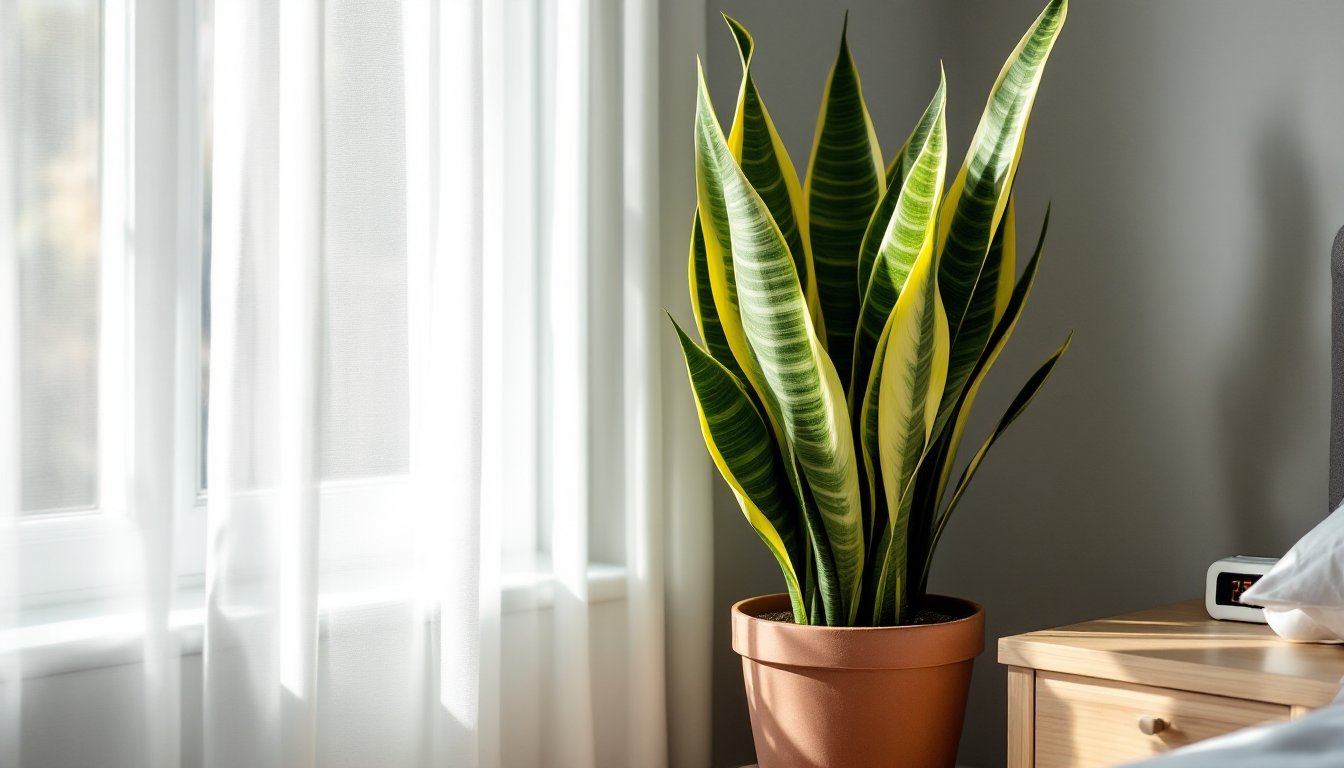
Bedrooms: The nocturnal oxygen release makes snake plants well-suited for sleeping areas. Position them on nightstands or dressers where their gas exchange happens at head height.
Avoid these mistakes:
- Direct HVAC vents: Constant airflow from heating or cooling registers quickly dilutes any purification effect.
- Dark corners: While snake plants tolerate low light, their metabolic activity slows dramatically in deep shade. They process fewer toxins when they’re barely photosynthesizing.
- Crowding: Jamming multiple plants together doesn’t multiply their effect. Spread them across the room for better air contact.
- Sealed rooms: Ironically, the NASA chamber conditions that showed positive results aren’t ideal for long-term plant health. Snake plants need some air exchange to avoid fungal issues and root rot.
Many guides on indoor plant placement recommend the bedroom-bathroom-kitchen triangle for balancing humidity and light needs, which aligns well with targeting spaces where air quality matters most for daily health.
Snake Plant Care Guide for Optimal Air Cleaning Performance
A stressed or dormant snake plant won’t purify air effectively. Healthy growth requires minimal effort but specific conditions:
Soil and potting: Use a cactus or succulent mix with 50% or more inorganic material (perlite, coarse sand, pumice). Standard potting soil retains too much moisture and leads to root rot. Choose pots with drainage holes, terra cotta works well because it wicks excess moisture.
Watering: Let soil dry completely between waterings, then soak thoroughly until water drains from the bottom. In most homes, that’s every 2–4 weeks. Overwatering kills more snake plants than any other factor. Brown, mushy leaf bases signal rot.
Light: Bright, indirect light encourages active growth and maximum photosynthesis. Snake plants survive in low light but go semi-dormant, which reduces their air-processing capacity. A spot within 5 feet of an east or west window is ideal.
Temperature and humidity: They thrive in typical home conditions (60–80°F). Avoid placing them near drafty doors or heating vents that cause temperature swings.
Fertilization: Feed with a balanced liquid fertilizer diluted to half strength once in spring and once in summer. Overfertilizing causes weak, leggy growth that’s more susceptible to pests.
Dust management: Wipe leaves monthly with a damp cloth. Dust clogs stomata and reduces gas exchange, directly limiting the plant’s ability to absorb airborne chemicals.
Propagation: Divide crowded clumps every 2–3 years. Younger, actively growing plants process air more efficiently than root-bound specimens.
Snake Plants vs. Mechanical Air Purifiers: Which Is Right for Your Home?
The honest comparison: snake plants and mechanical purifiers serve different functions, and only one is designed for actual air purification.
What mechanical purifiers do:
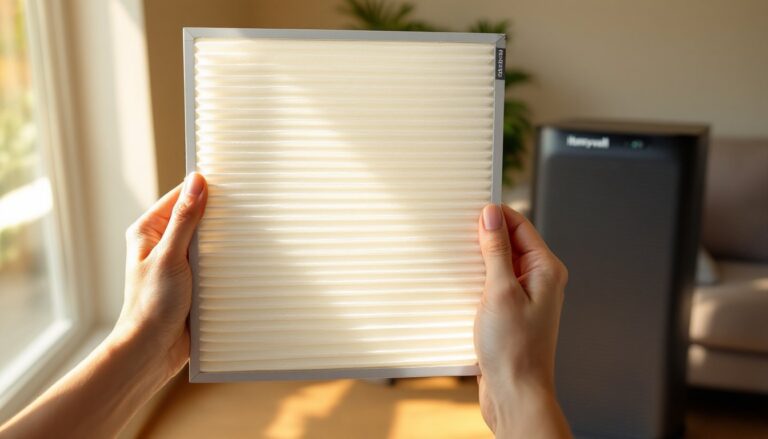
- HEPA filters capture 99.97% of particles 0.3 microns or larger (dust, pollen, mold spores, pet dander).
- Activated carbon filters adsorb VOCs, odors, and smoke at rates thousands of times faster than plants.
- Air exchange rates of 4–5 room volumes per hour in properly sized units.
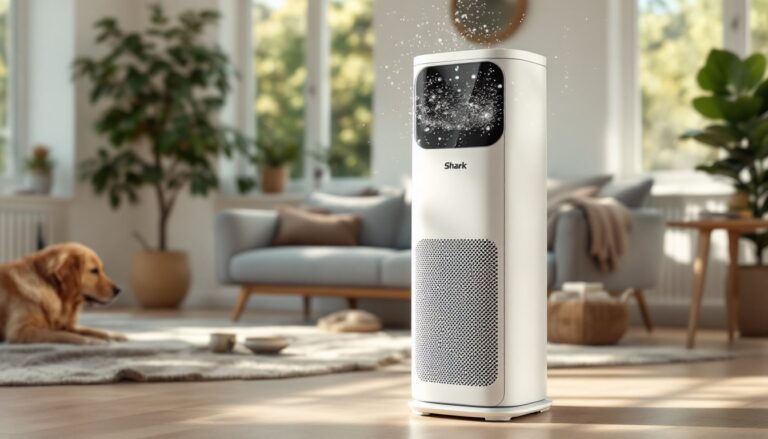
A typical bedroom air purifier processes 150–200 cubic feet per minute (CFM). A single snake plant processes roughly 0.0001 CFM of VOC removal. The scale difference is enormous.
What snake plants offer:
- Continuous, passive operation without electricity or filter replacement.
- Humidity regulation through transpiration (minor effect in most climates).
- Biophilic benefits: Studies show indoor plants reduce stress and improve perceived air quality, even when measurable effects are small.
- Zero noise and low cost after the initial purchase.
Detailed reviews from testing labs consistently show that even budget mechanical air purifiers outperform dozens of houseplants for particle and VOC removal.
The practical verdict: Use mechanical purification for allergies, asthma, wildfire smoke, or measurable air quality issues. Add snake plants for aesthetics, minor supplementary VOC reduction, and the psychological comfort of living greenery. They’re not replacements for filtration, they’re complementary.
If budget allows only one, choose the mechanical purifier. If air quality is already acceptable and you want low-effort greenery with marginal benefits, snake plants fit the bill. The best approach? Both, with realistic expectations about what each delivers.